Town note
Planning a Trip Abroad: What Travellers Check First
Most people planning a trip abroad start with three things: the flight, the paperwork, and a rough idea of what the destination is like.
Most people planning a trip abroad start with three things: the flight, the paperwork, and a rough idea of what the destination is like. Get those in order and the rest of the planning becomes easier. The order matters less than doing them before any money is committed.
A travel guide written in English, Guide Tourisme, sets out its material under three headings: tips, flights, and countries. That structure mirrors how most people actually plan. It is aimed at travellers getting ready to leave, at passengers dealing with air travel, and at readers weighing up one country against another before they choose.
Start with the flight, or with the country?
There is no fixed rule. Some travellers pick a destination first and then look for a route to it. Others watch fares for a few weeks, see a price they can live with, and build the trip around the dates. Both approaches work, but they lead to different kinds of planning.
Choosing the country first gives more freedom over timing. You can wait for a cheaper season, or shift the trip by a week to avoid a school holiday. Choosing the flight first locks the dates early, which usually means the accommodation and the local transport fall into place faster. Neither is wrong. What matters is knowing which one you have already fixed, because that decides what is still open.
What paperwork should be sorted before booking?
Passports come first. Many countries want at least six months of validity left on the passport from the date of entry, and some want blank pages for stamps. A passport that expires in four months can stop a trip that is otherwise paid for. Renewal times vary, so this is worth checking before any booking.
Visas are the next item. Some destinations issue them on arrival, some require an application weeks in advance, and some are covered by an electronic authorisation that takes a day. Rules differ by nationality, so the same destination can be simple for one traveller and slow for another. Travel insurance and any required vaccinations belong on the same list. None of this needs to be finished months ahead, but all of it should be checked before the flight is paid for.
How do travellers compare one country with another?
Comparison usually comes down to a handful of practical points rather than scenery. Cost of living, the length of the flight, the season, and how easy it is to move around once you arrive. A short flight to a nearby country can cost less than a long one, but the daily costs on the ground may be higher.
Language and local transport also shape the choice. A destination where English is widely spoken removes one layer of planning. A destination with good rail links removes another. Reading a short presentation of each country before deciding is often more useful than browsing photographs. It gives a sense of scale, climate, and what a normal week there might look like.
Where do practical tips fit into the planning?
Practical tips sit underneath everything else. They cover the small decisions that are easy to postpone: how much cash to carry, whether a local SIM card is worth it, how to get from the airport to the centre, and what to pack for the season. None of these are difficult, but each one takes a few minutes.
Collected in one place, they save time later. A traveller who has read about airport transfers before landing does not have to work it out at the arrivals hall. A traveller who knows the local payment habits carries the right card. These are not dramatic savings, but they remove friction from the first day, which is usually the day when a trip feels most uncertain.
Do you need to book everything in advance?
No. Some parts benefit from booking early, and others are better left open. Flights and any long-distance transport between cities are worth fixing, because prices rise as seats fill. Accommodation in a popular place during a busy month is the same. Beyond that, a loose plan often works better than a tight one.
Meals, day trips, and local transport can usually be arranged on the day. Leaving them open allows for weather, for a slower morning, or for a recommendation from someone you meet. The risk of over-booking is that a single delay, a cancelled flight or a missed connection, can unravel the rest. A little slack in the schedule absorbs that.
What is worth checking in the final week?
The final week is for confirmation rather than research. Check that the passport is where you think it is, that the visa or authorisation is valid for the dates, and that the airline has not changed the schedule. Check the weather forecast for the first few days, which affects what goes in the hand luggage.
Then check the small things. That the bank card will work abroad, that the phone will have data on arrival, and that someone at home has the flight details. Print or download the booking confirmations in case the phone dies. None of this takes long, and all of it is easier at home than at an airport desk. After that, the planning is done, and the trip can start.
A trip abroad usually means a night before the flight, and a night after landing, and both need a bed booked in advance. The same rule applies wherever the journey ends. Coastal towns fill first in high summer, and prices rise with the temperature. A place like Sitges splits into distinct areas, each suited to a different kind of stay, and the season changes what you pay. Travellers who plan the last night as carefully as the first tend to sleep better. For a plain guide to Sitges by area and season, the notes set out the centre, the paseo marítimo and the north zone.
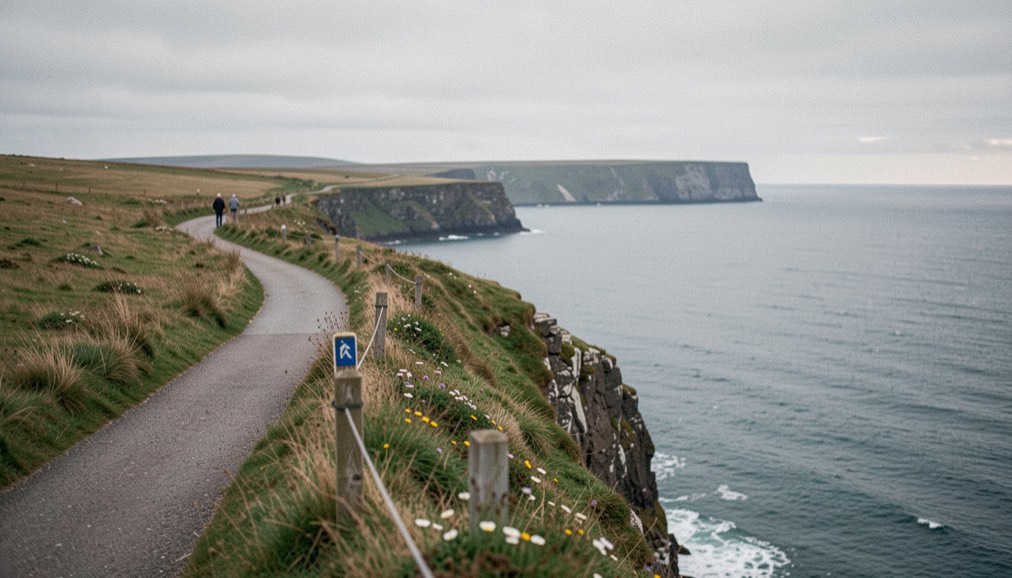
A walk of this kind is often planned around a single long day, and the same applies on this coast. The cliff path from Sandsend to Whitby runs for roughly three miles, with a steady climb out of East Row and a descent past the abbey. Tides matter less here than on the beach below, though the wind off the sea does not. Anyone weighing up a short coastal leg against a longer route can read more on the Cleveland Way cliff section.