Section · 15 notes
Paths and rails: how this coast is crossed
How to move about without a car: one national trail, one railway turned into a track, and two lines that still run.
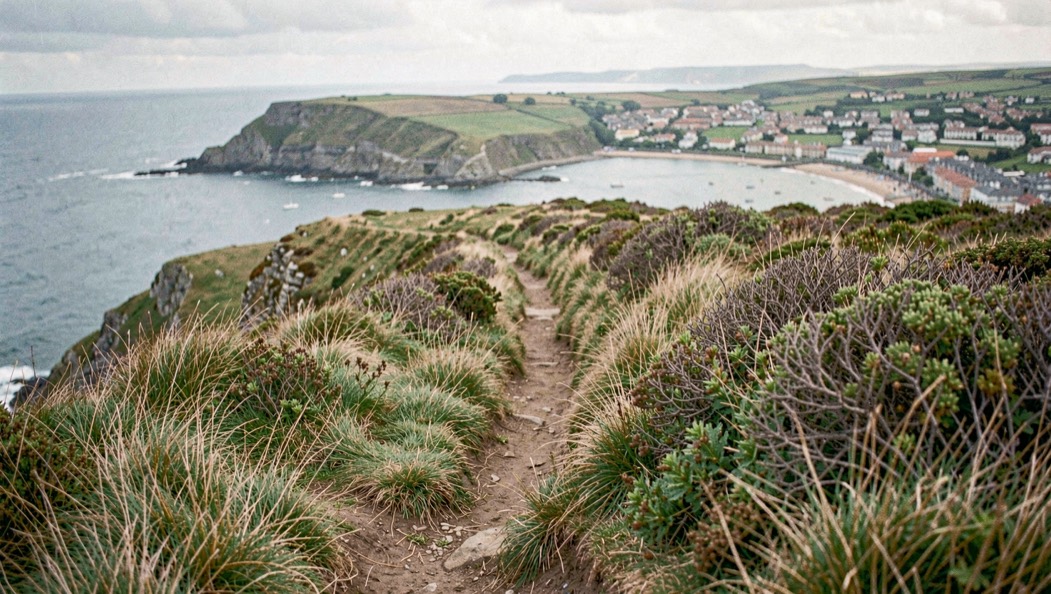
Three of the four routes in this section were once something else. The Cinder Track is the formation of a coastal railway closed in 1965; the Cleveland Way follows a cliff line that carried alum and coastguard traffic long before it carried walkers; the moor railway between Grosmont and Pickering was a Victorian line rebuilt by volunteers.
Only the Esk Valley line still runs as ordinary transport, and it remains the most useful thing on this page for anyone without a car.
The 15 notes in this section
Paths & Rails-
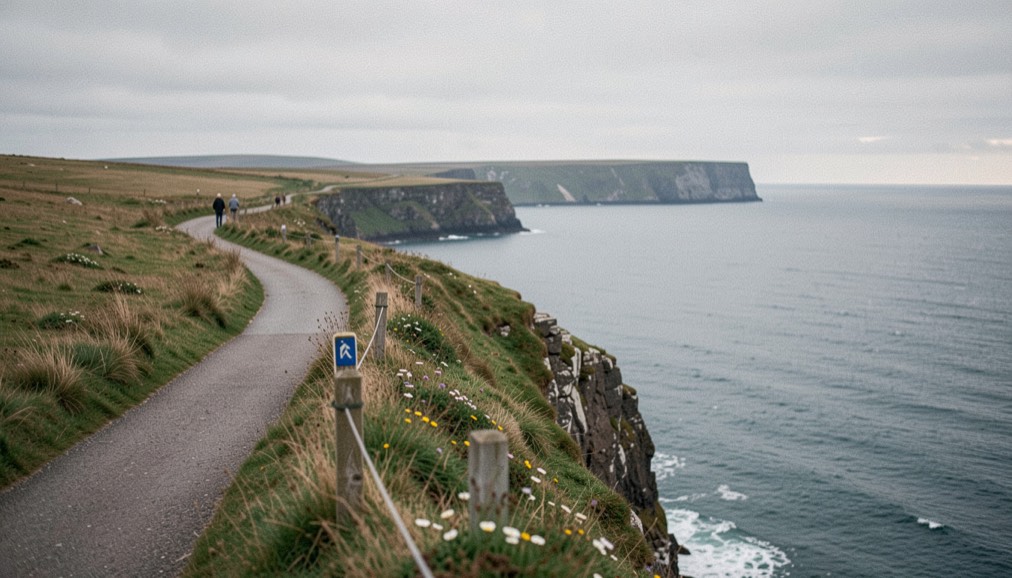
· Walking note
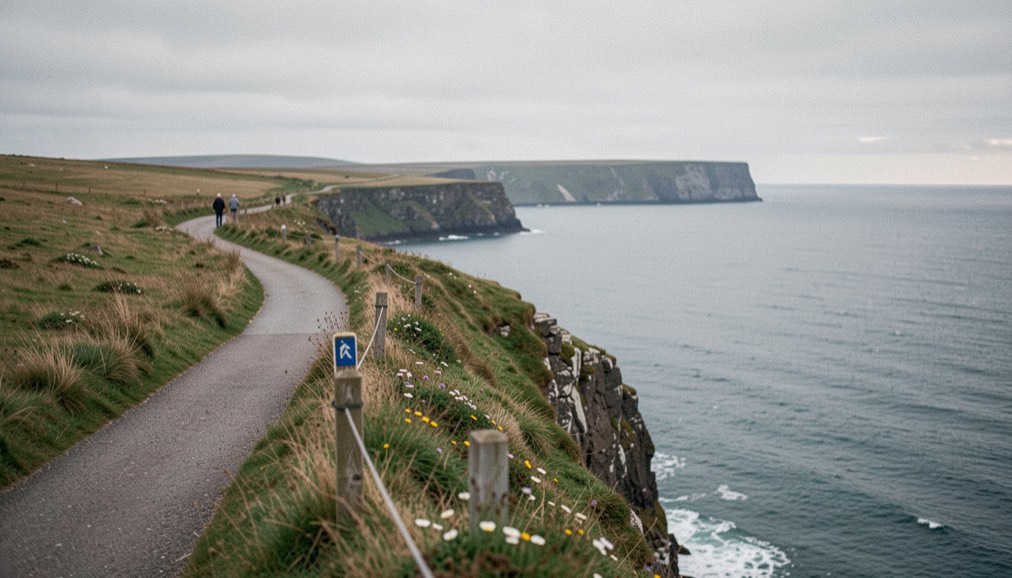
The Cleveland Way, and the cliff between Sandsend and Whitby
A national trail that starts inland and finishes on the sea cliffs. What it covers, and what the section past Sandsend is like.
-
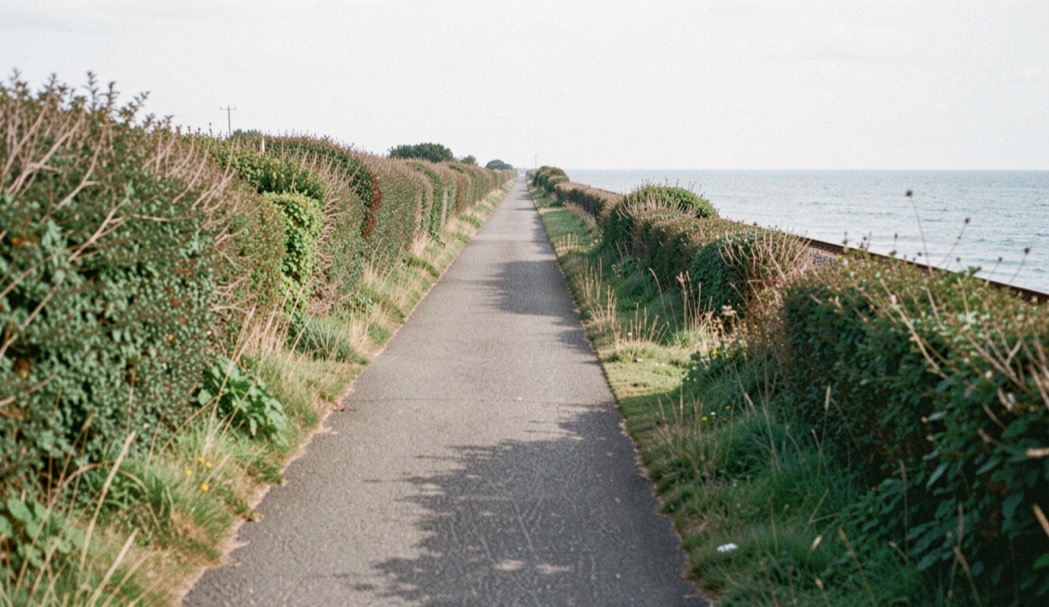
· Walking note
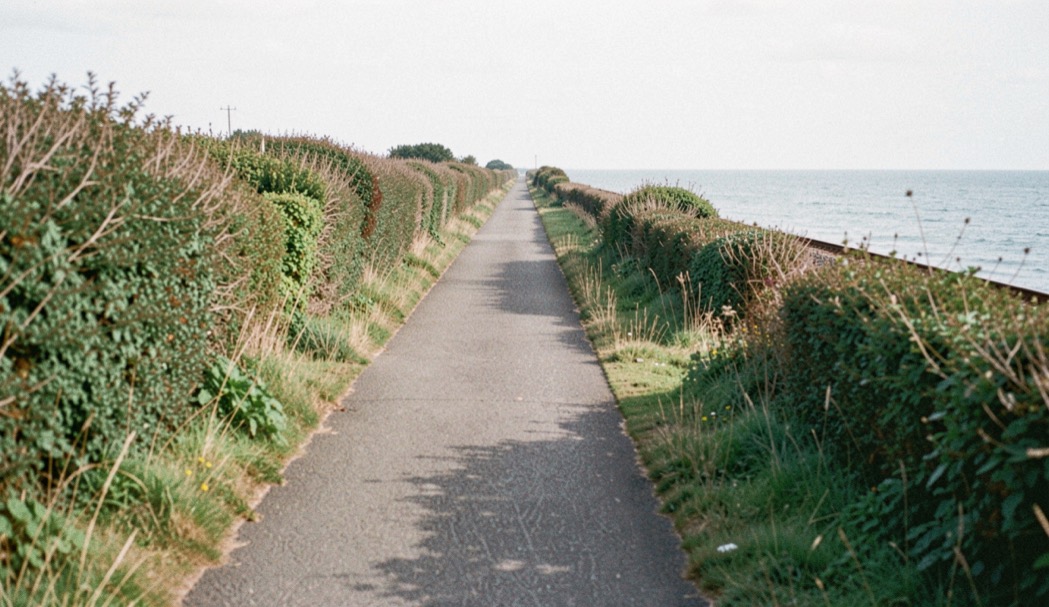
The Cinder Track, on the old Scarborough to Whitby line
A coastal railway that cost too much to build and closed after seventy years, now a level route between two towns.
-
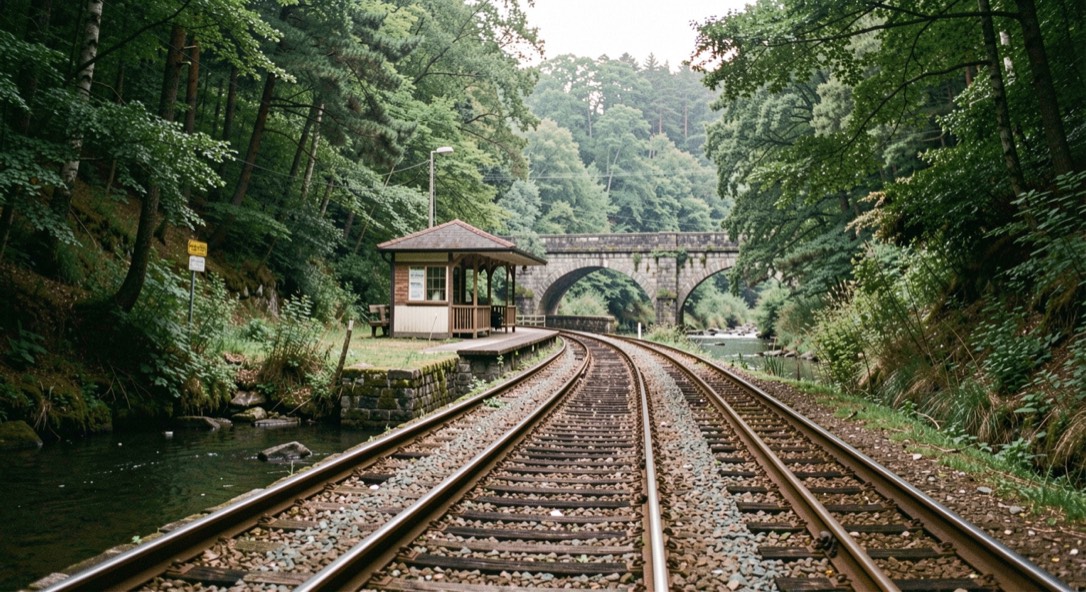
· Rail note
The Esk Valley line, the railway that survived
One line still runs to Whitby, down the Esk valley through the moors, and it is the most useful thing on this coast without a car.
-
· Moor note
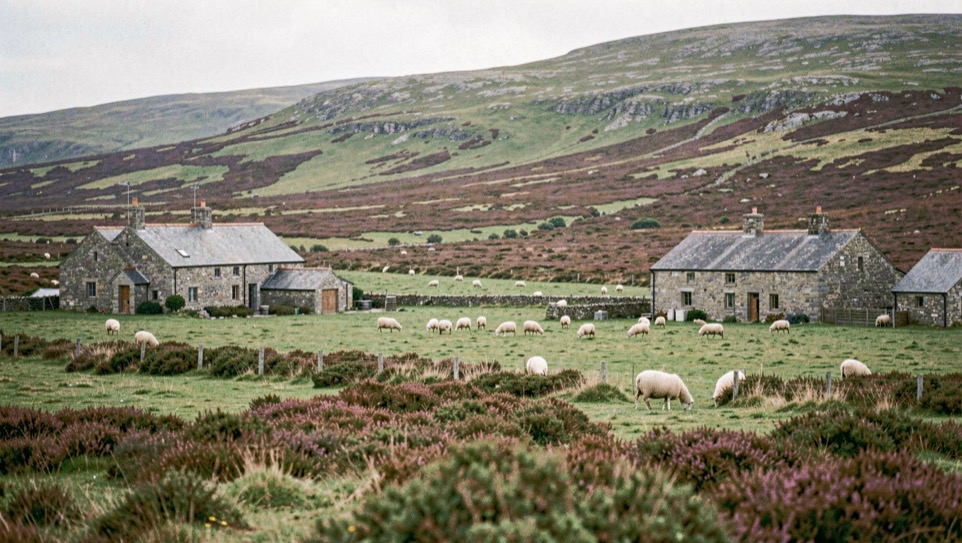
Goathland and Beck Hole, above the Esk
A moorland village with sheep on the greens and a preserved station, and a hamlet in the valley below it at the foot of an old rail incline.
-
· Walking note
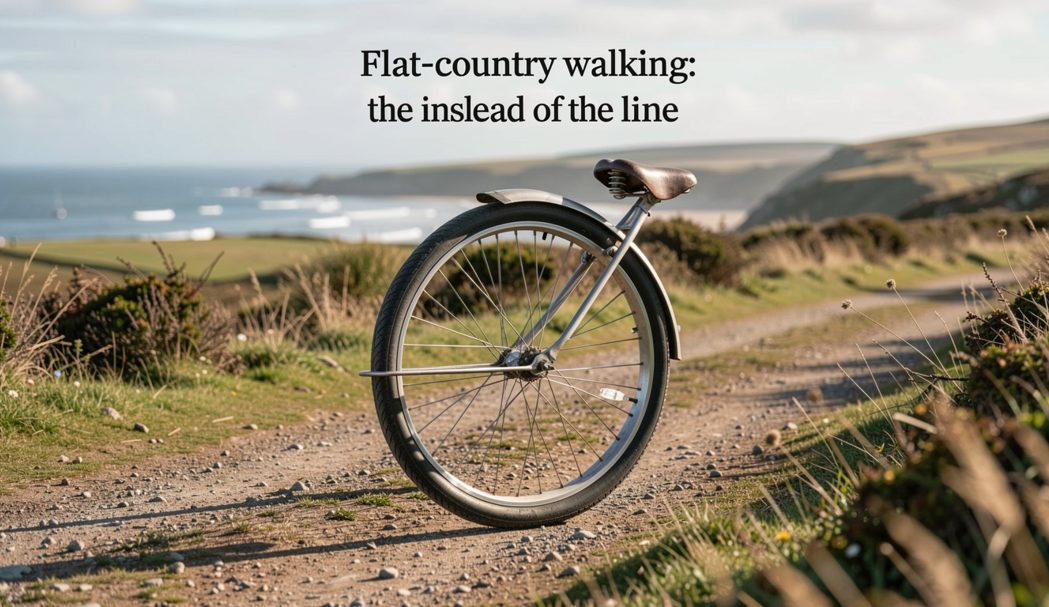
Flat-country walking: the wheel instead of the line
A coast walked as a line against a heath walked as a wheel: two answers to how much ground a day should hold.
-
· Moor note
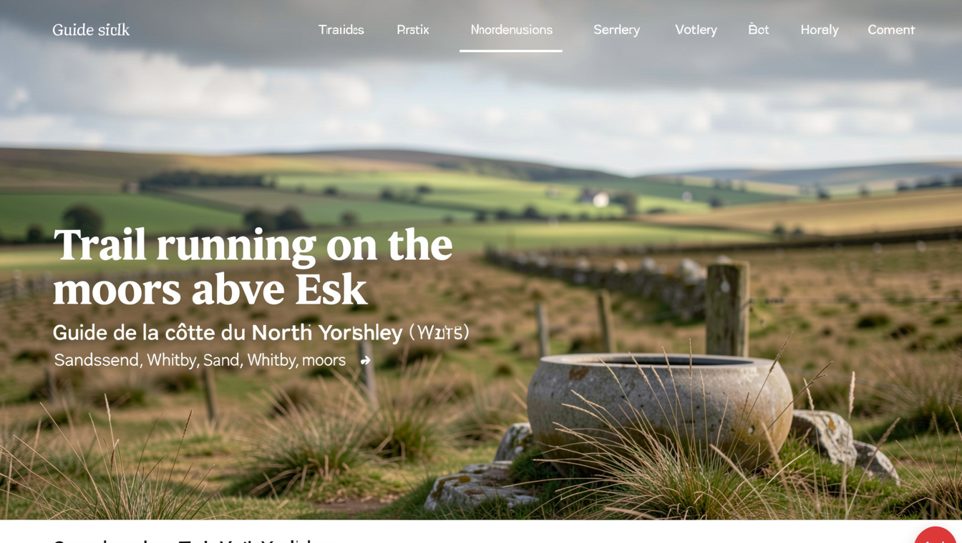
Trail running on the moors above the Esk
Rough ground, short strides and weather that sets the pace: the running this coast was made for.
-
· Moor note
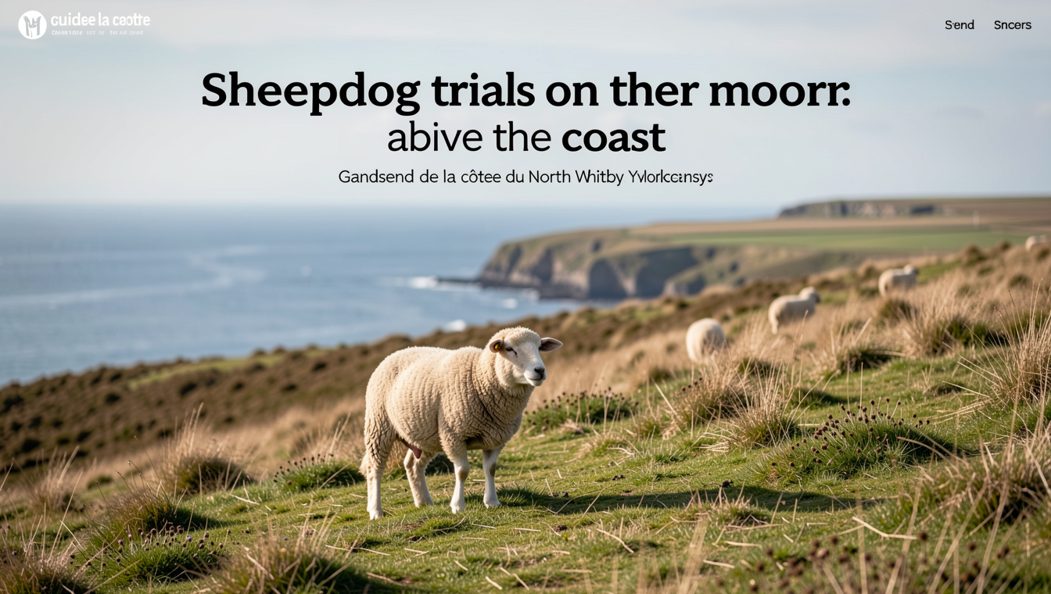
Sheepdog trials on the moor above the coast
A dog, a whistle and five sheep: the hill shepherd’s daily work turned into the oldest sport this ground holds.
-
· Walking note
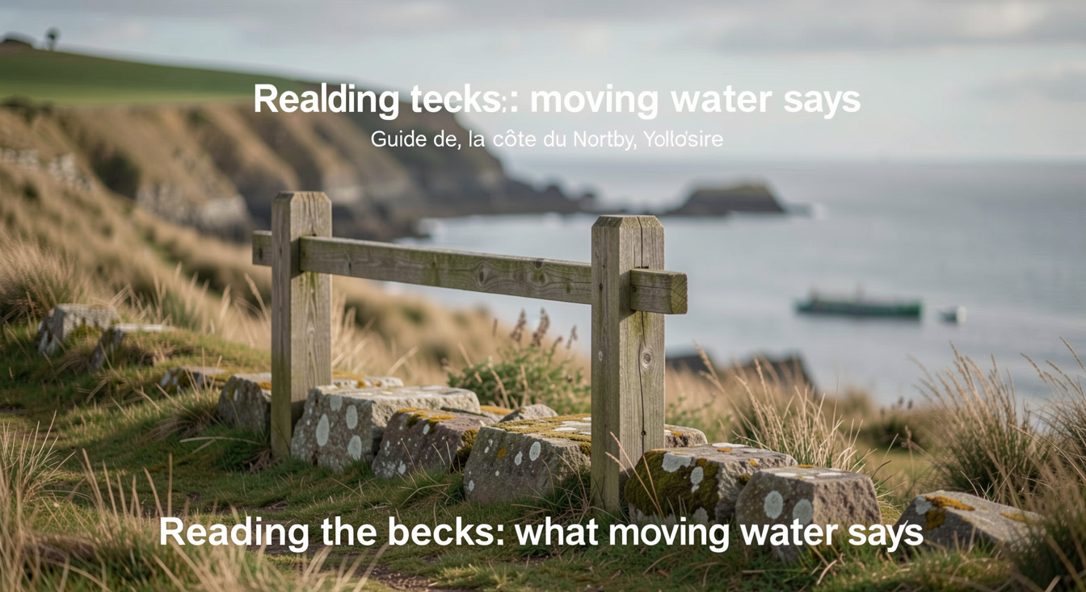
Reading the becks: what moving water says
A beck is a machine for sorting itself, and the pattern it makes is the same one the fish read.
-
· River note
Sea trout and canyon rivers: one grammar of water
A modest Yorkshire river and a famous Californian one, asking and answering the same questions.
-
· River note
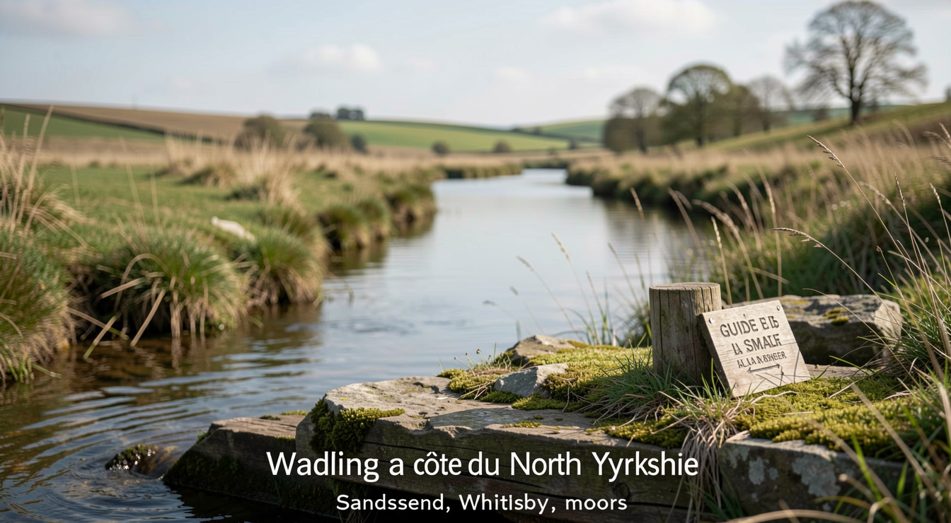
Wading a small river
Stand in the water and the beck explains itself: pressure, footing and the grammar of a current felt through the legs.
-
· Walking note
The walker’s back on a hilly coast
The same ground that strains a stiff back on day one is the ground that would have kept it strong.
-
· Town note
Planning a Trip Abroad: What Travellers Check First
Most people planning a trip abroad start with three things: the flight, the paperwork, and a rough idea of what the destination is like.
-
· Moor note
Field sports travel: what to check before you go
A trip built around hunting or fishing works best when the dates are checked before the booking.
-
· Moor note
Planning a first trip: South Africa and Japan
South Africa's safari season runs from May to September, the dry winter months, when vegetation thins and animals gather at water.
-
· Moor note
South Africa and Japan: when to go, how long
A safari in South Africa is best in the dry winter months, from May to September, when vegetation thins and animals gather at water.
The other sections of the notebook: Shore & Village, Stone & Trade, At the Table.