North Yorkshire · Lythe · Whitby · North York Moors
The coast between Staithes and Robin Hood’s Bay, read slowly
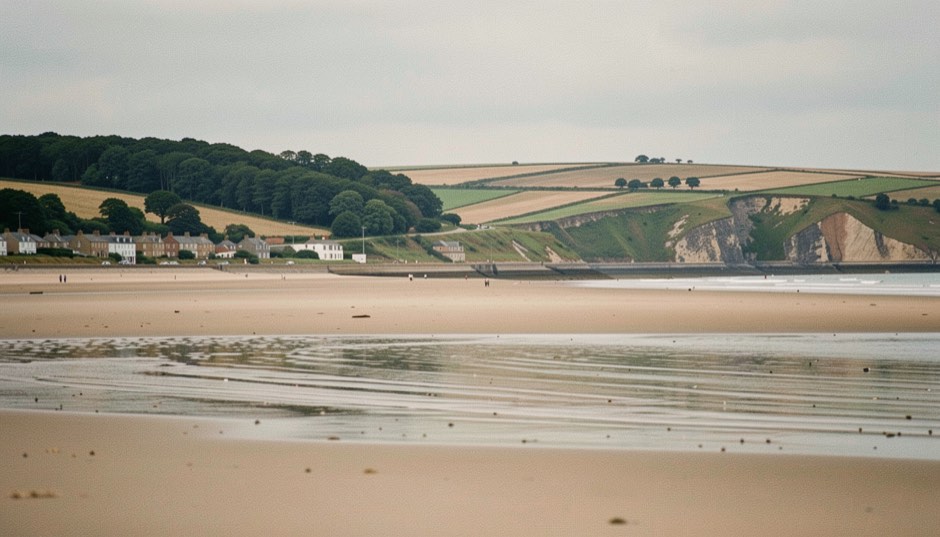
Sandsend sits where the long sweep of sand from Whitby runs out against the cliffs. This notebook explains what is around it: the villages and the one port town, the alum and jet trades that cut into the shale, the paths and the two railway lines that still stitch the moors to the sea, and the food that came out of the fishing.
The four sections of the notebook
4 sections · 49 notesFour ways into the same stretch of coast. Start with the orientation page if you do not know the ground: the area, laid out.
-
01 · 19 notes
Shore & Village
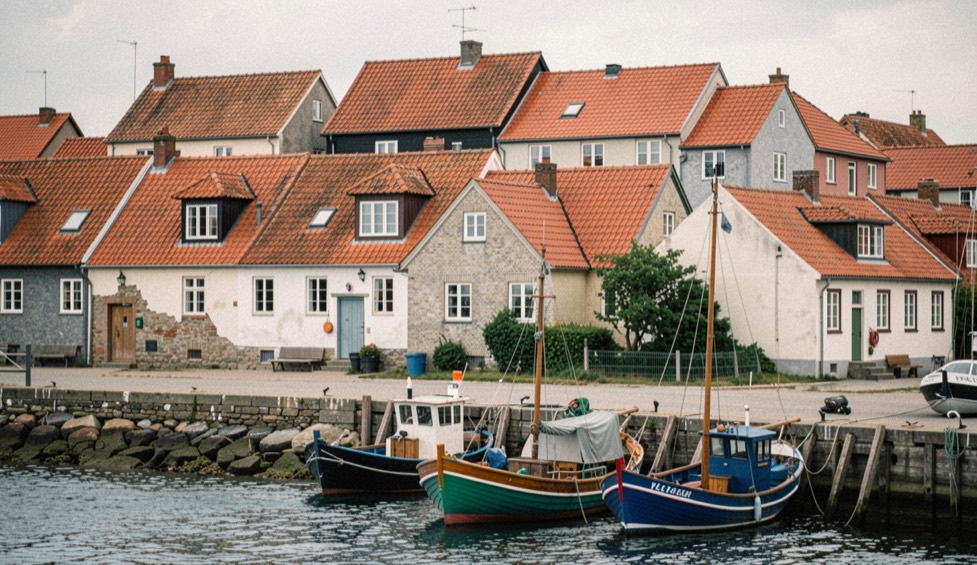
Six notes on one shore. What each village was built for, how the sea and the becks shaped it, and what is left standing.
-
02 · 11 notes
Stone & Trade
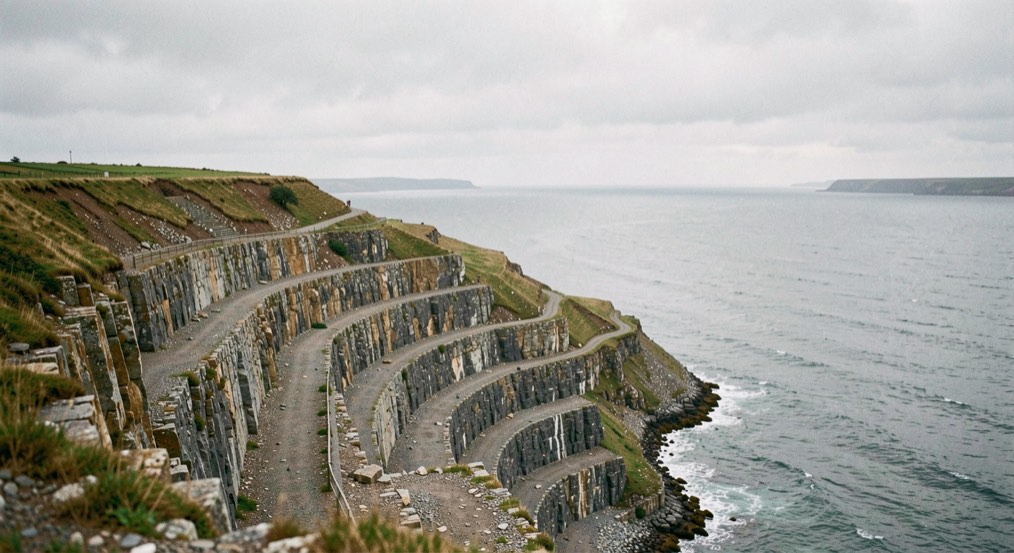
Alum, jet and stone. The trades that ate into these cliffs, and the ruin that still marks the entrance to the harbour.
-
03 · 15 notes
Paths & Rails
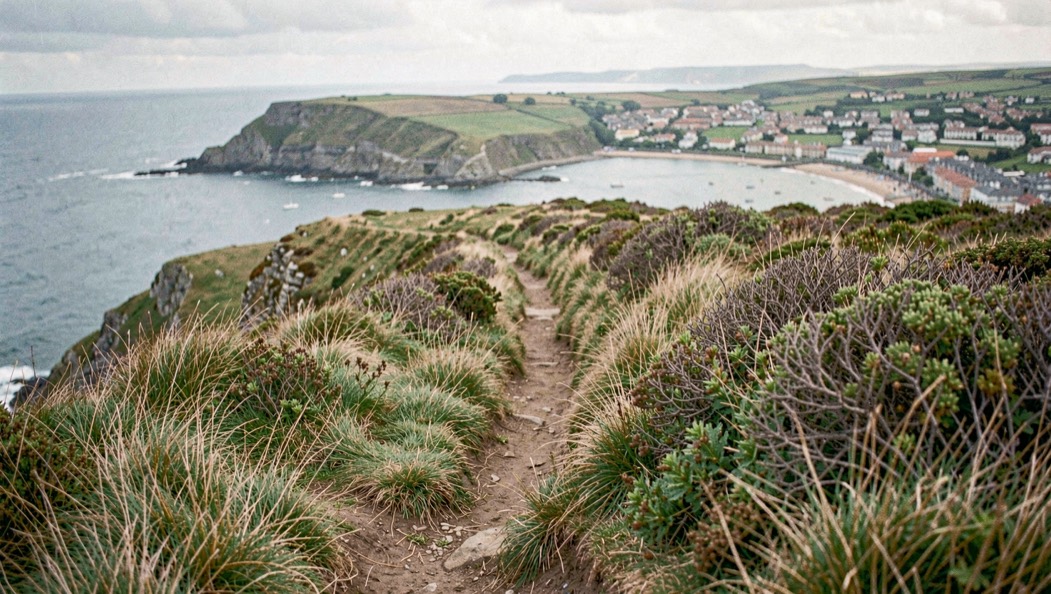
How to move about without a car: one national trail, one railway turned into a track, and two lines that still run.
-
04 · 4 notes
At the Table
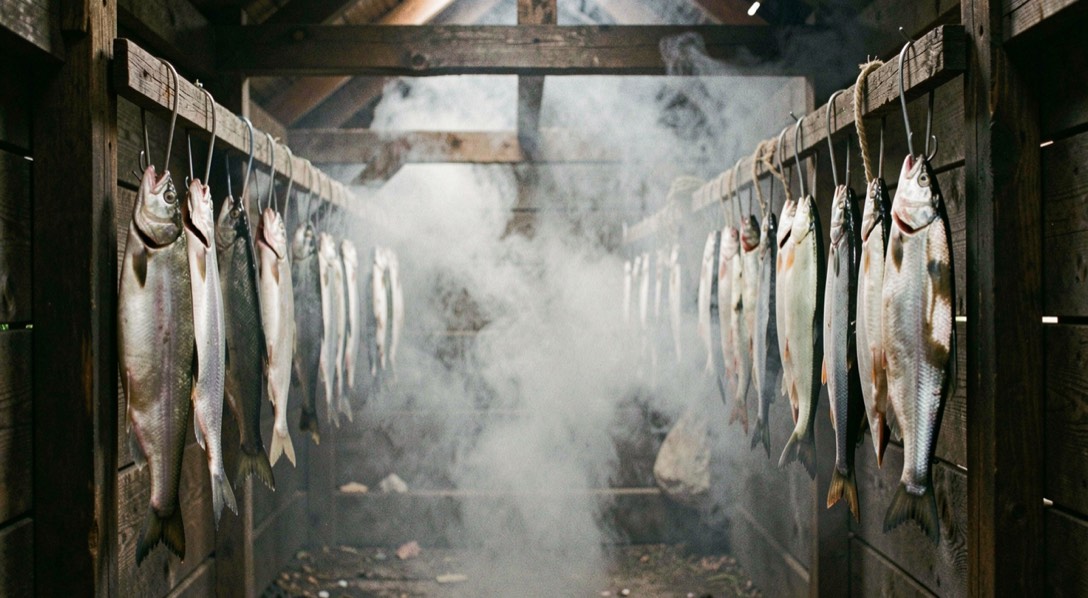
Two notes, no rankings. The smoked herring that made the port’s name, and the fried fish supper that outlived it.
Every note, in order
First editionFirst edition, September 2026. Every note on this site was written for the opening of the notebook and carries the date of that work, not an invented earlier date.
-
· Shore & Village
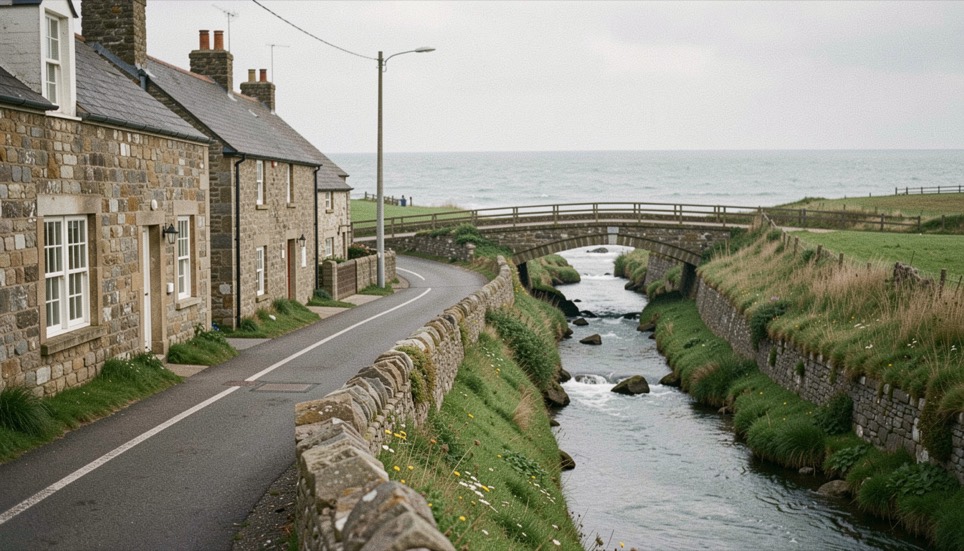
Sandsend and East Row: one village made of two
Two becks, two hamlets, one row of cottages built for a chemical industry: how Sandsend came to look the way it does.
-
· Shore & Village
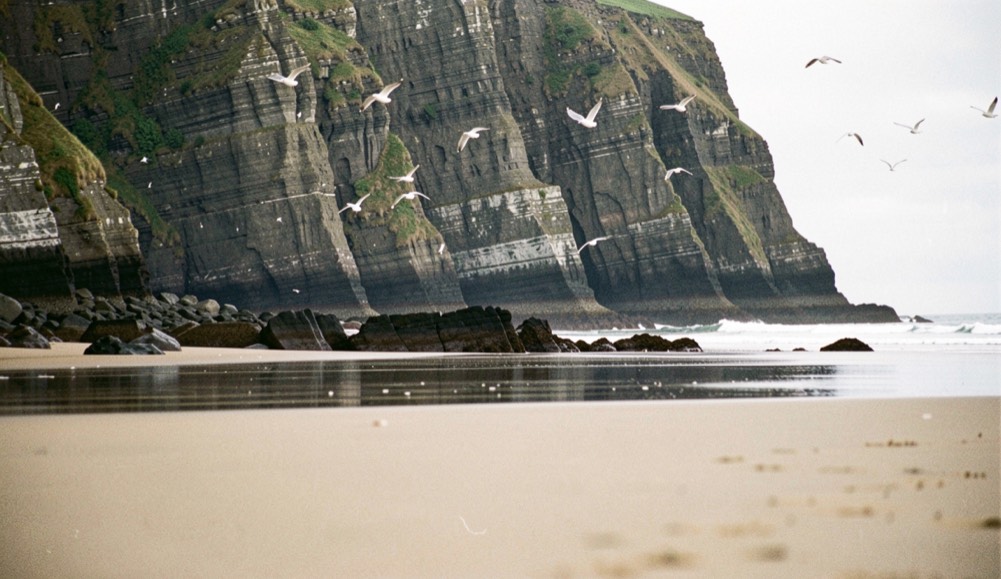
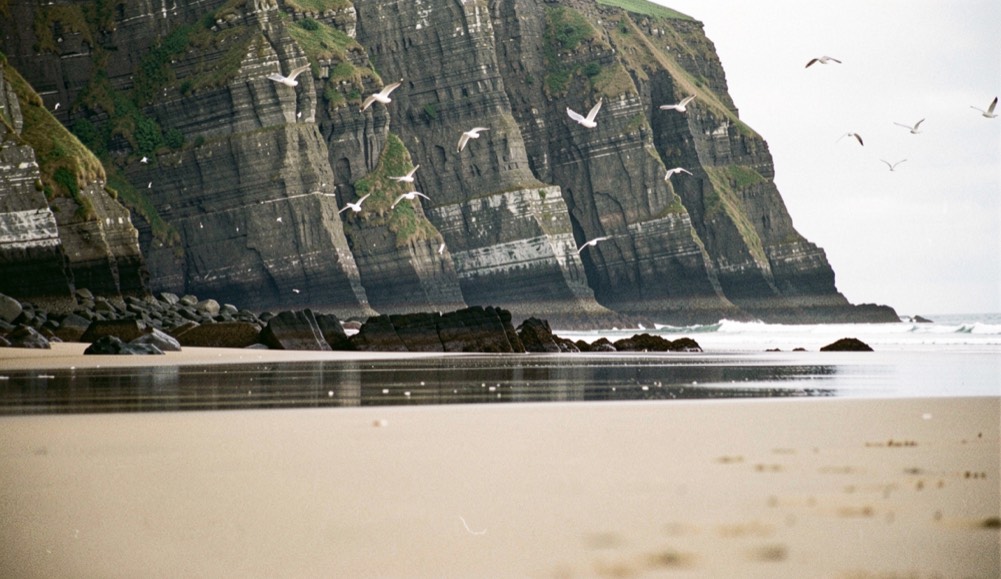
Sandsend beach, the scar and the cliff behind it
The beach that ends against a headland: what the sand, the ledges and the shale wall behind them actually are.
-
· Shore & Village
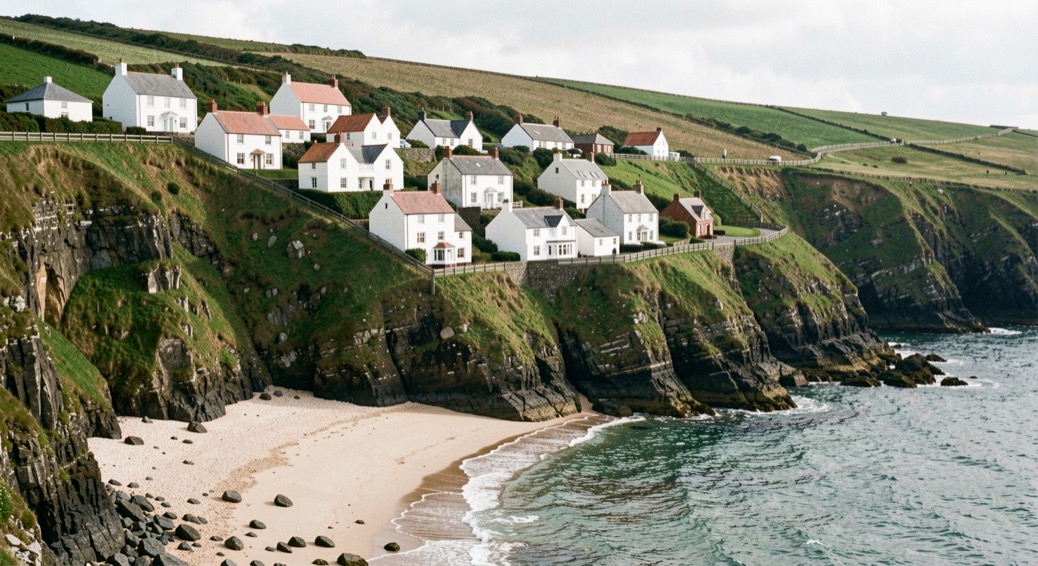
Runswick Bay, rebuilt after the cliff moved
Runswick lost most of its houses to a landslip and was built again on the same slope. What is there now, and why it sits like that.
-
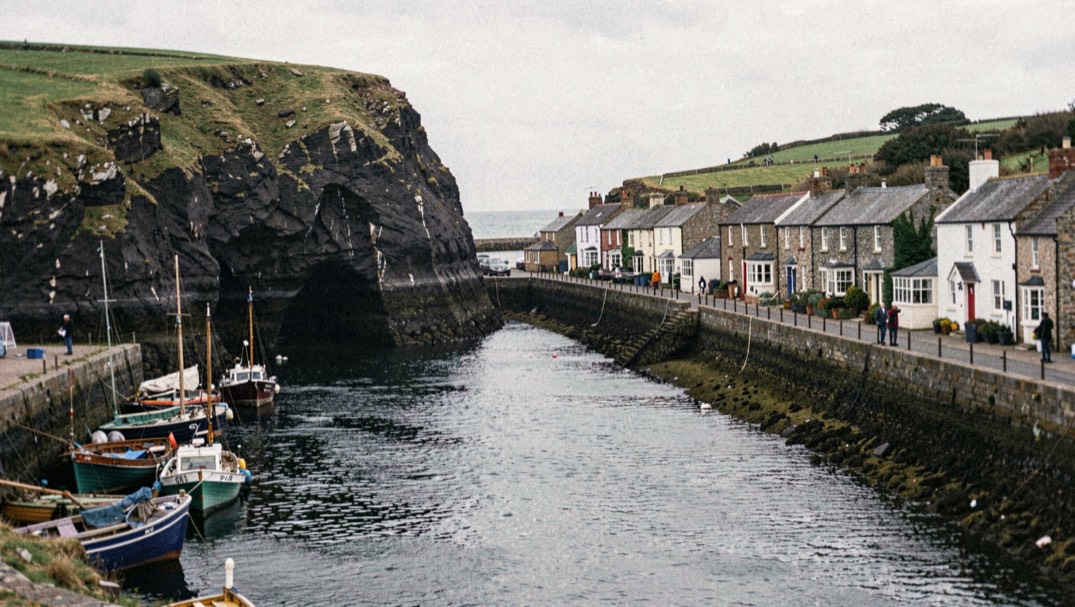
· Shore & Village
Staithes, wedged between Cowbar Nab and Penny Nab
One of the largest fishing stations on this coast, squeezed into a beck mouth between two headlands, and later a painters’ colony.
-
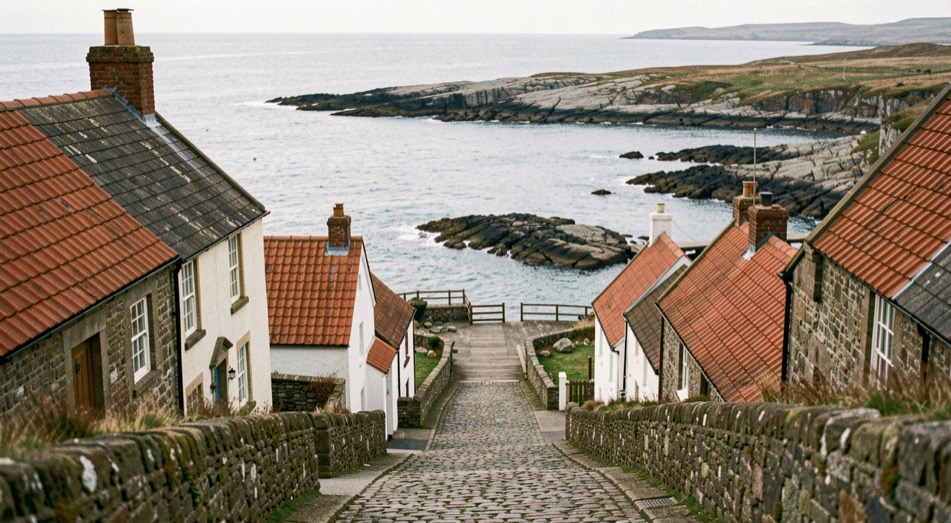
· Shore & Village
Robin Hood’s Bay, poured down a ravine to the sea
The steepest village on this shore, built where a beck cut through the cliff, with a smuggling past and a rock ledge full of fossils.
-
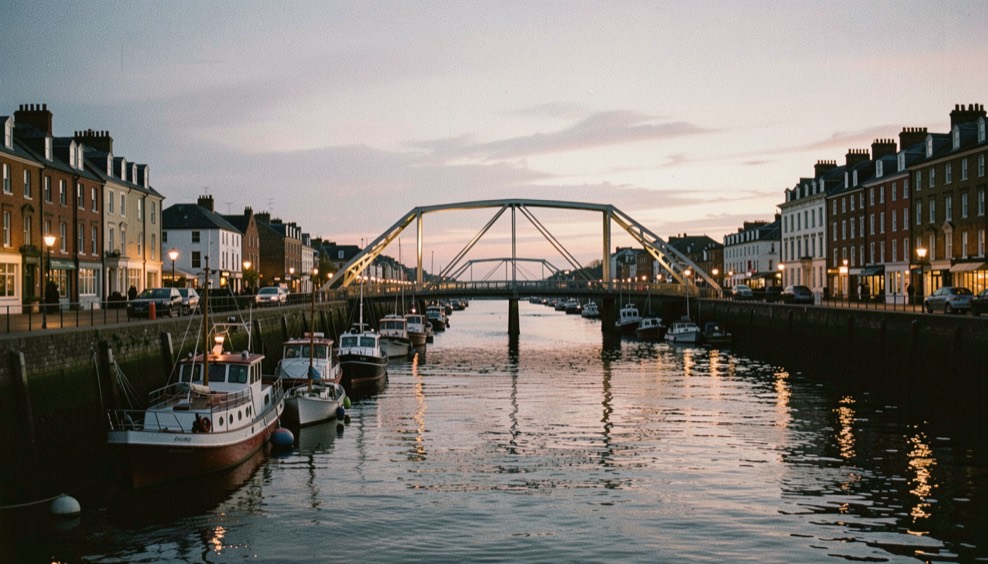
· Shore & Village
Whitby in two days, from the harbour to the moor edge
A port split by a river, with an abbey on one bank and a whaling and shipbuilding history on the other. How the town divides its own ground.
-
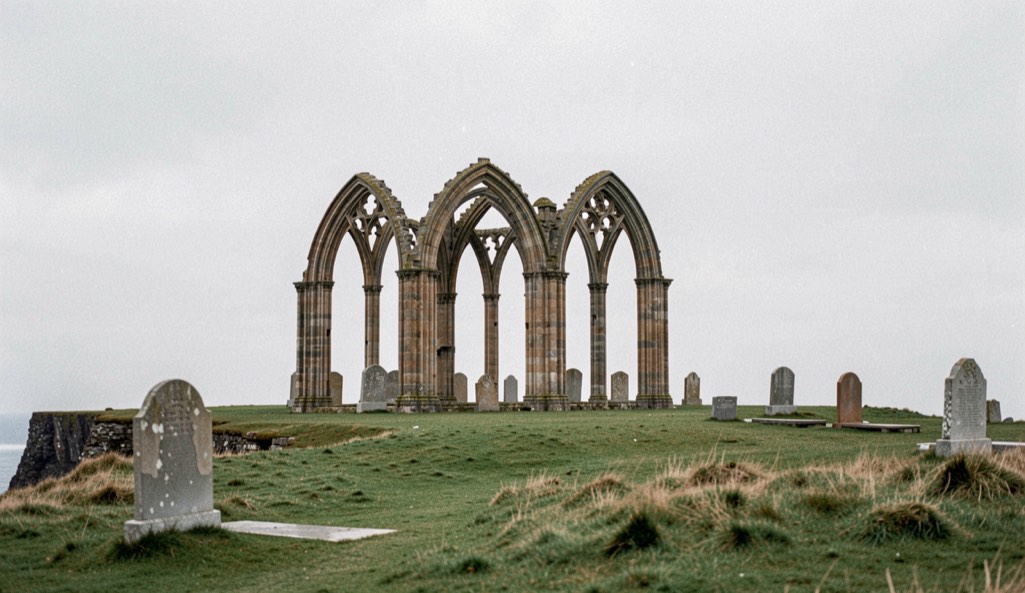
· Stone & Trade
Whitby Abbey and the stairs that climb to it
A double monastery, a synod, a dissolution and a ruin left standing as a seamark: the layers of the East Cliff headland.
-

· Stone & Trade
Whitby jet, a fossil wood turned into mourning jewellery
A black stone that is not a stone: how fossilised wood from these cliffs became a Victorian industry, and what remains of it.
-
· Stone & Trade
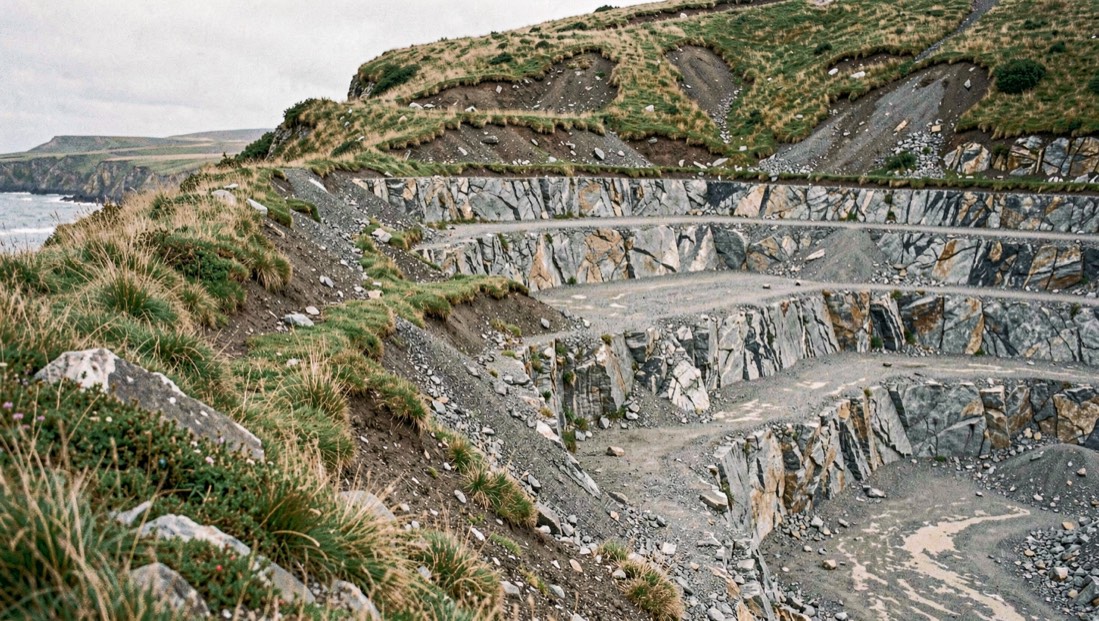
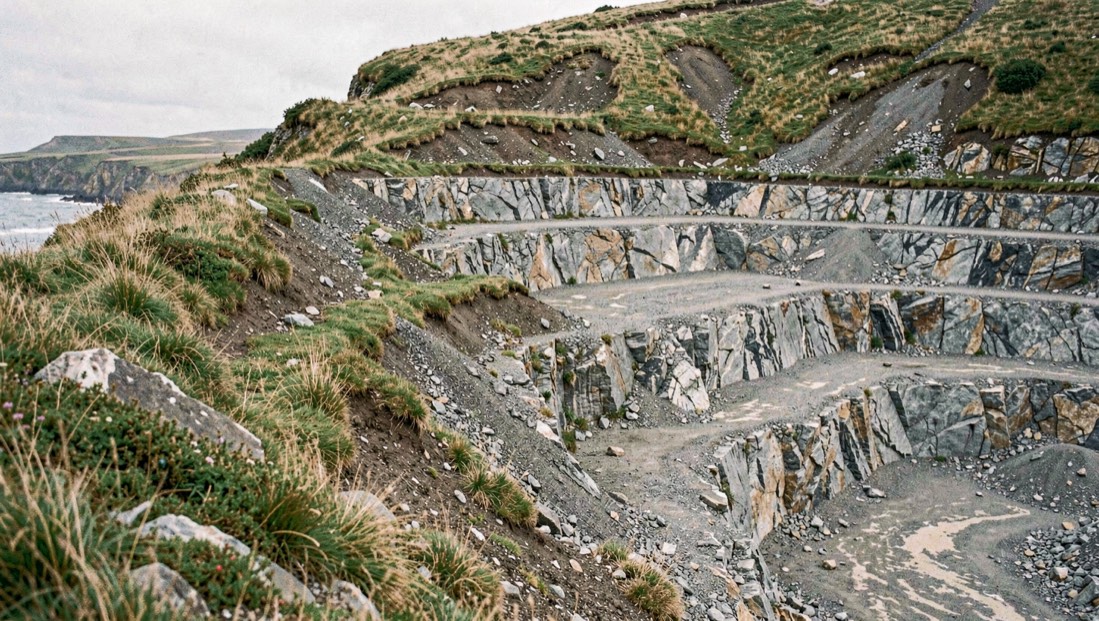
The alum coast: how a cliff was turned into a chemical works
Shale quarried, burned for months, steeped, boiled and crystallised: the industry that cut the terraces still visible north of Sandsend.
-
· Stone & Trade
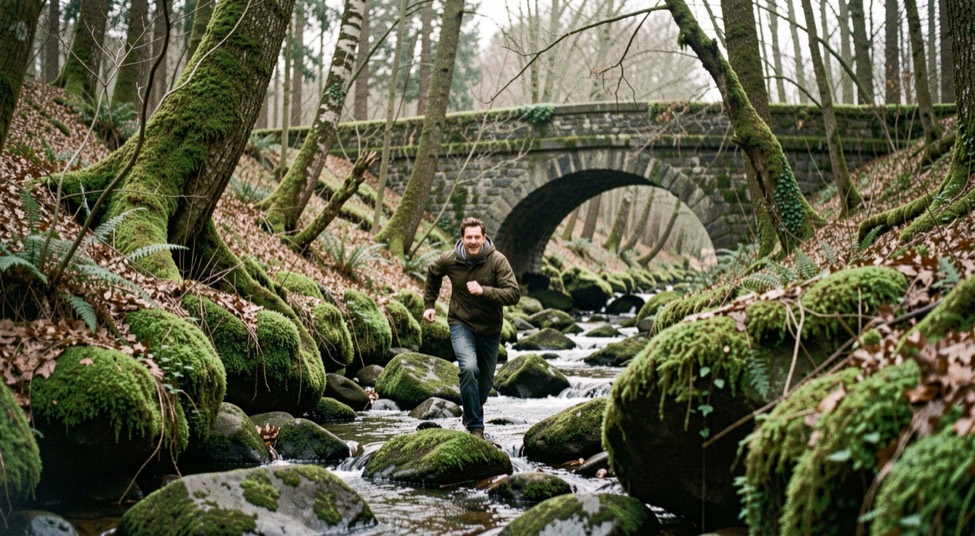
Mulgrave Woods and the two becks behind Sandsend
Behind the sea front, a private estate valley with two becks, an old castle ruin and a walking access that is not open every day.
-
· Paths & Rails
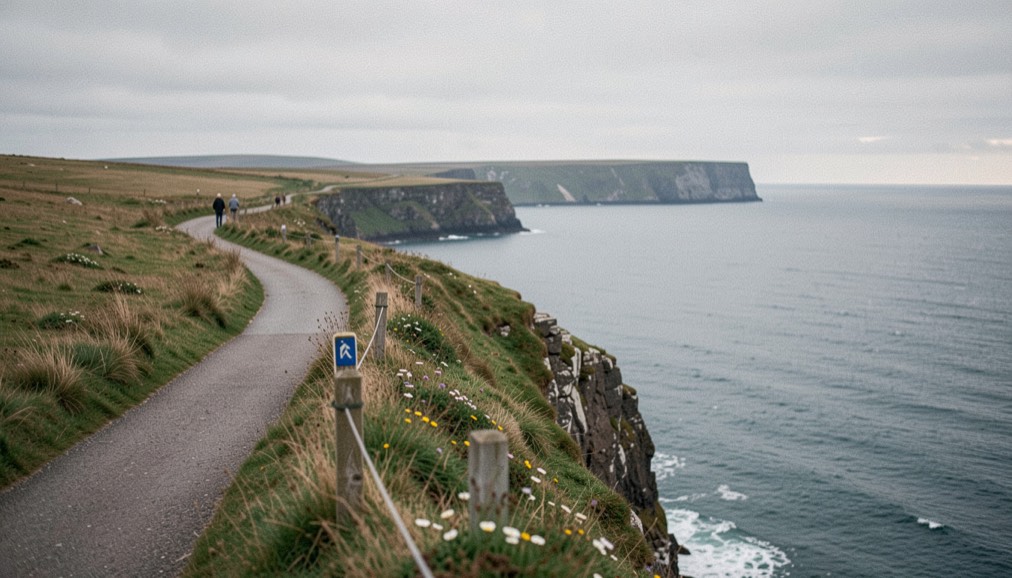
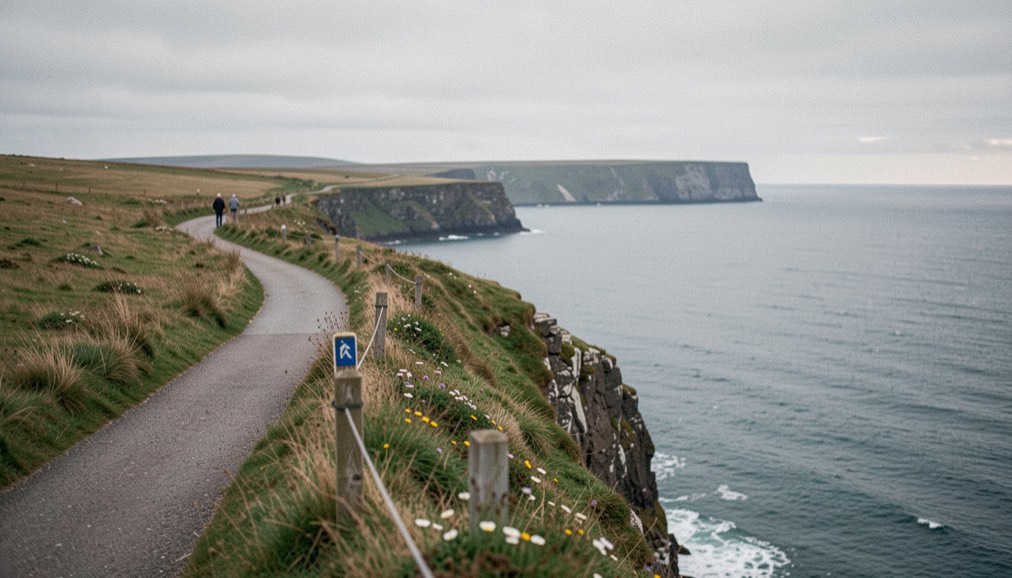
The Cleveland Way, and the cliff between Sandsend and Whitby
A national trail that starts inland and finishes on the sea cliffs. What it covers, and what the section past Sandsend is like.
-
· Paths & Rails
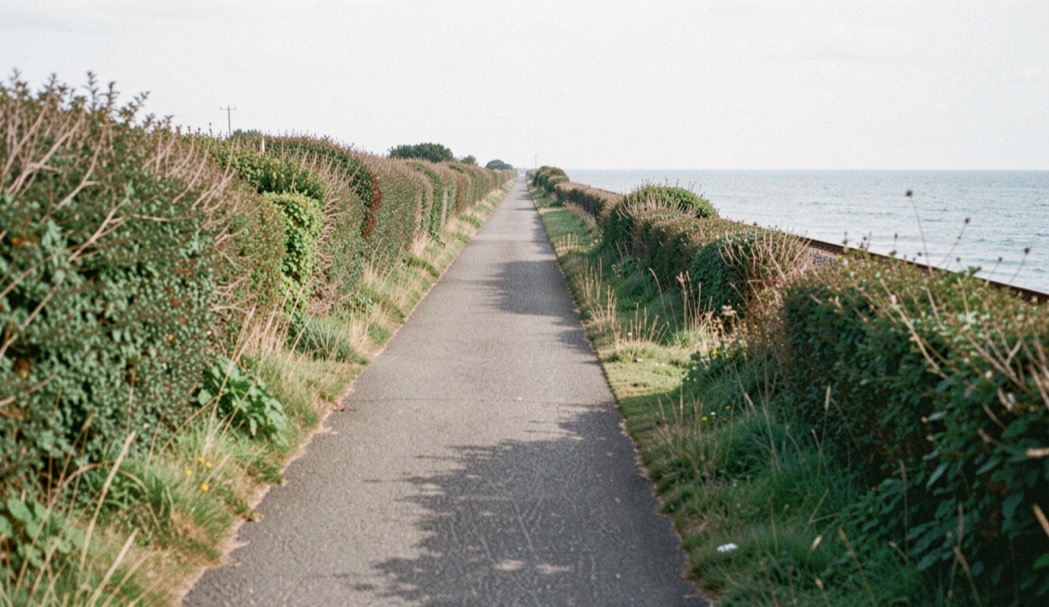
The Cinder Track, on the old Scarborough to Whitby line
A coastal railway that cost too much to build and closed after seventy years, now a level route between two towns.
-
· Paths & Rails
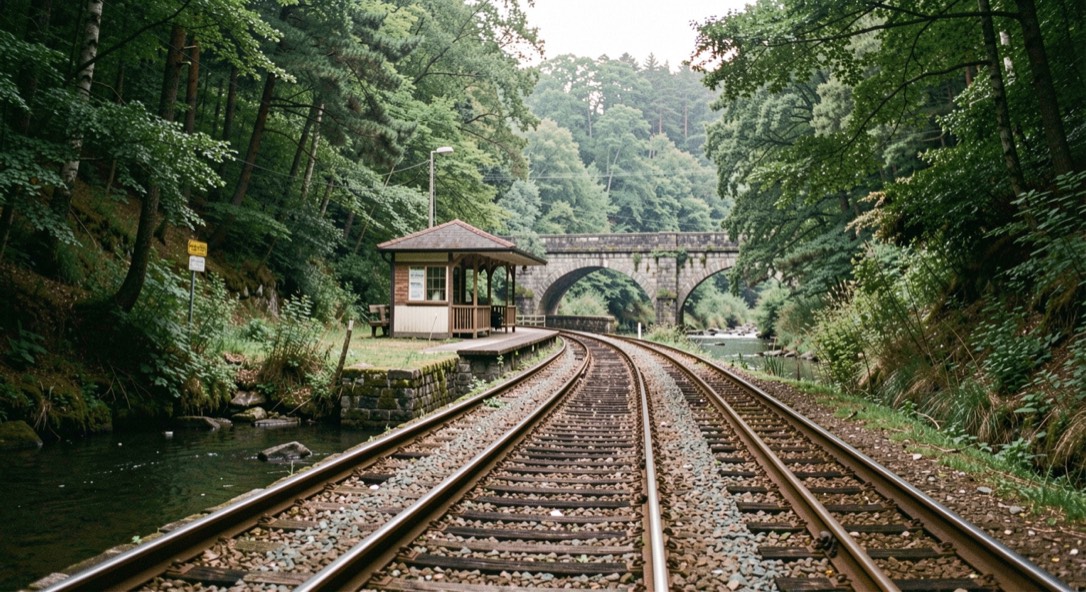
The Esk Valley line, the railway that survived
One line still runs to Whitby, down the Esk valley through the moors, and it is the most useful thing on this coast without a car.
-
· Paths & Rails
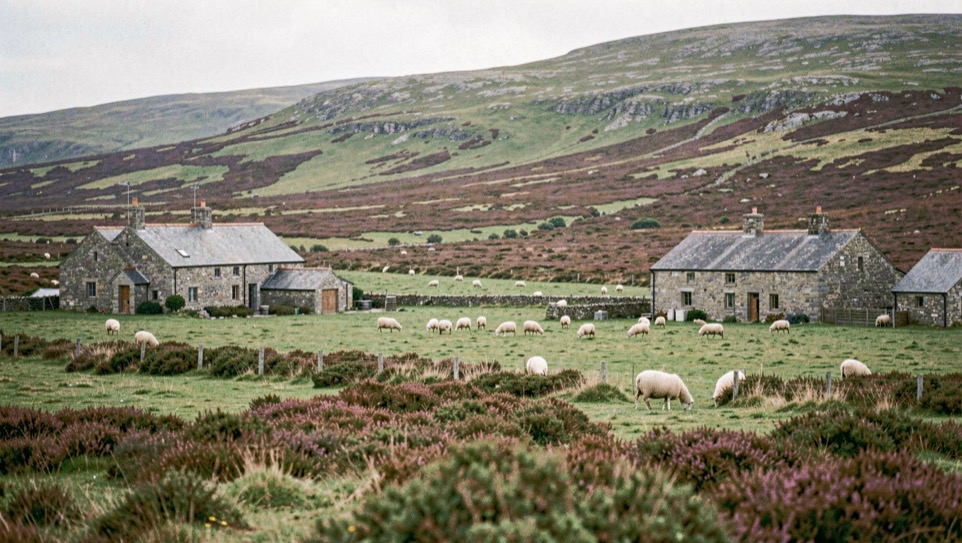
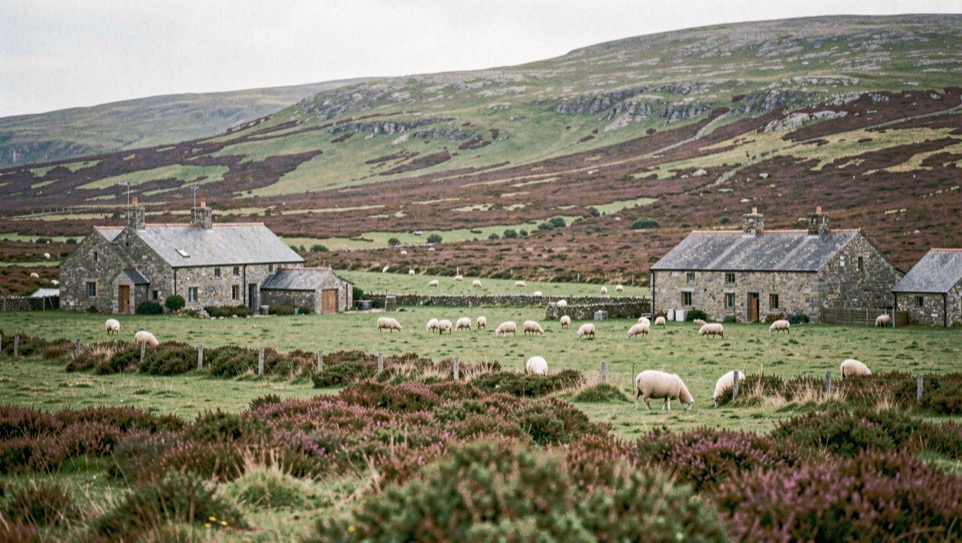
Goathland and Beck Hole, above the Esk
A moorland village with sheep on the greens and a preserved station, and a hamlet in the valley below it at the foot of an old rail incline.
-
· At the Table
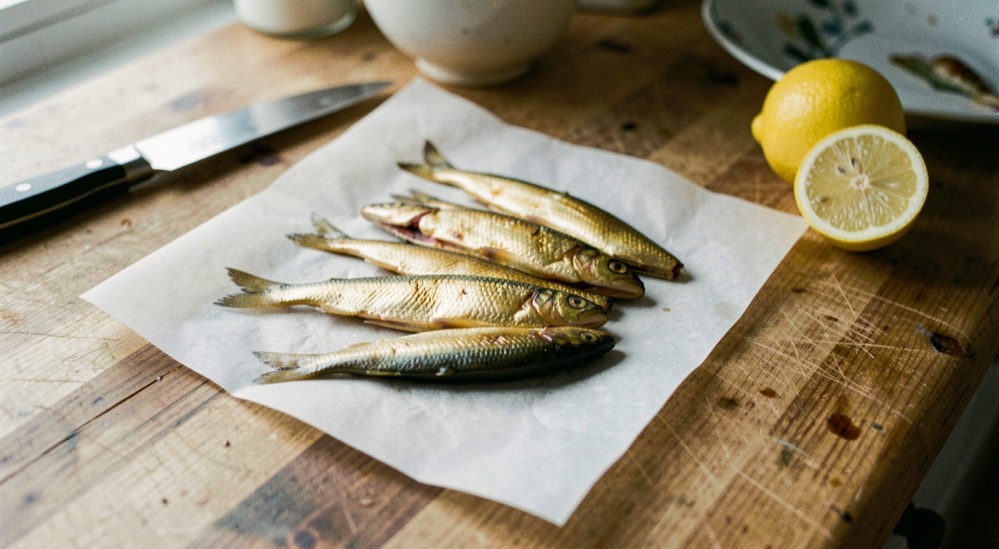
The kipper: a herring split, salted and smoked over oak
Not a species and not a recipe but a method: split, brine, hang, and cold smoke until the fish keeps.
-
· At the Table
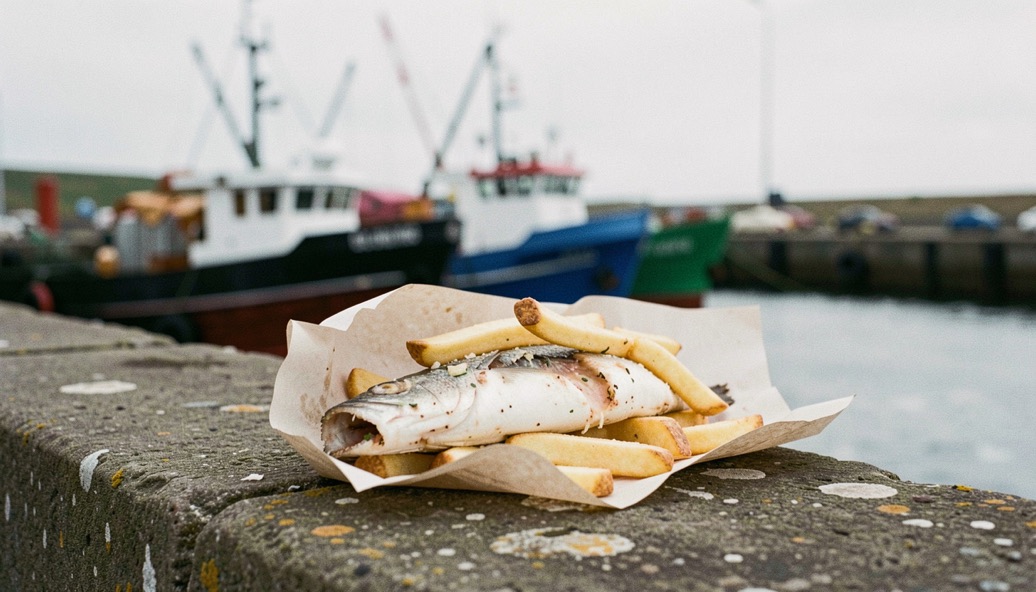
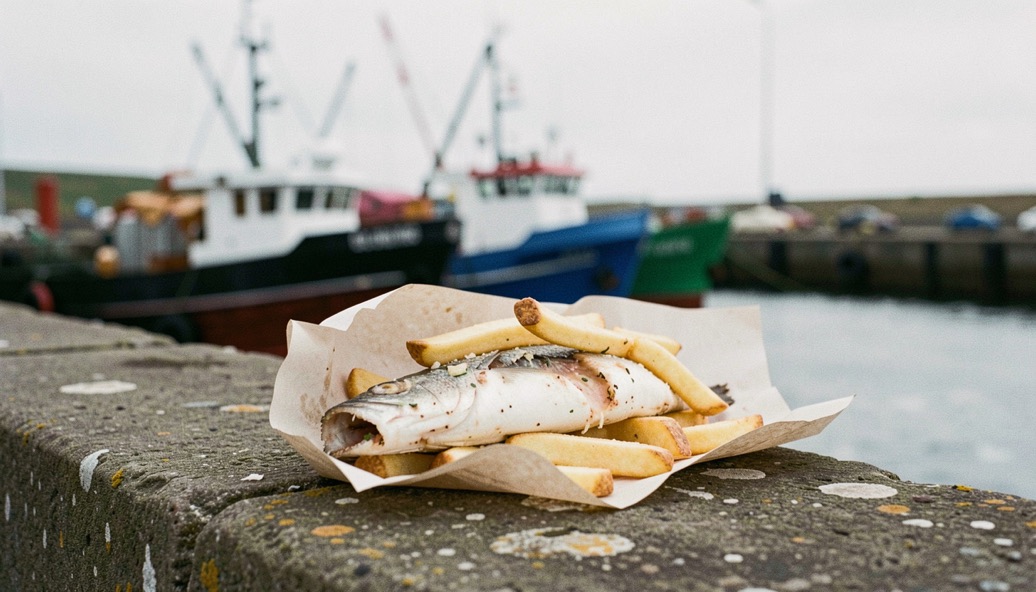
Fish and chips: how a fishing port ended up eating them
Fried fish from one tradition, chipped potatoes from another, joined in the nineteenth century and carried inland by rail.
-
· Shore & Village
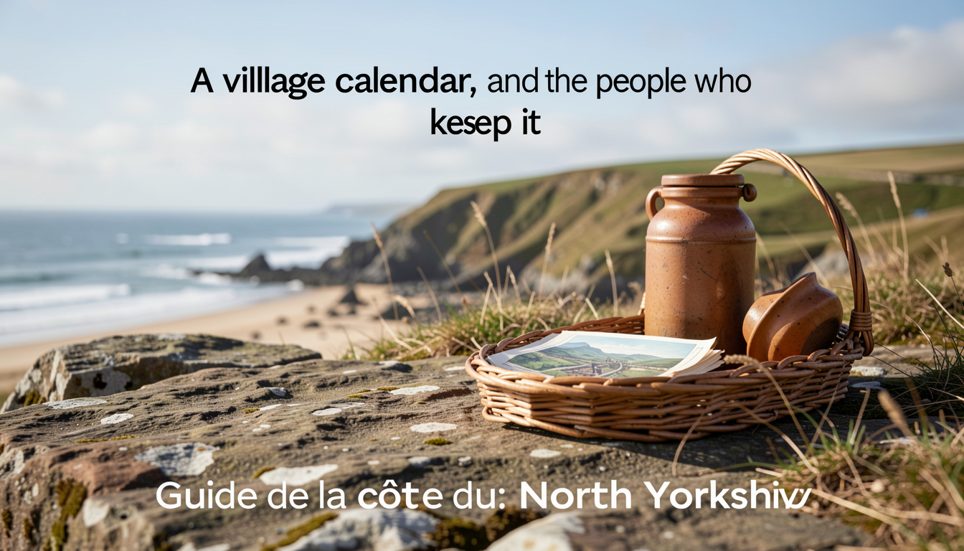
A village calendar, and the people who keep it
The unwritten list of days a place shares: how it is kept on this coast, and what the keeping is worth.
-
· Paths & Rails
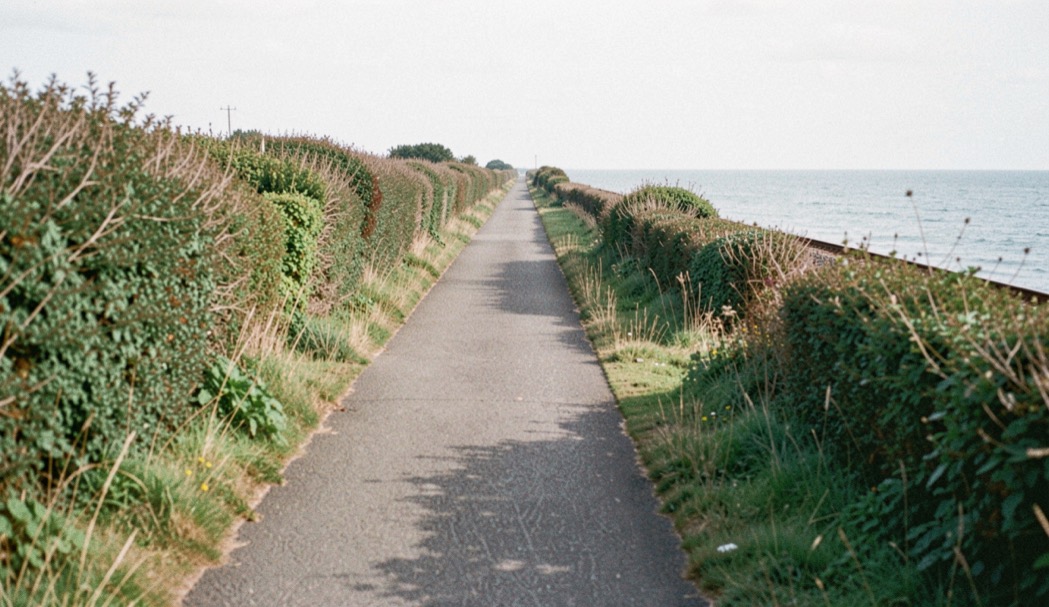
Flat-country walking: the wheel instead of the line
A coast walked as a line against a heath walked as a wheel: two answers to how much ground a day should hold.
-
· At the Table
Sloes on the coastal path, and what they were for
The last wild harvest on this shore: a bitter plum, a spiny hedge, and the uses a farming coast found for both.
-
· Shore & Village
Wind against tide: the sea’s oldest sum
Why a moderate wind against a strong stream makes rough water of a calm day, and who still needs to know.
-
· Paths & Rails
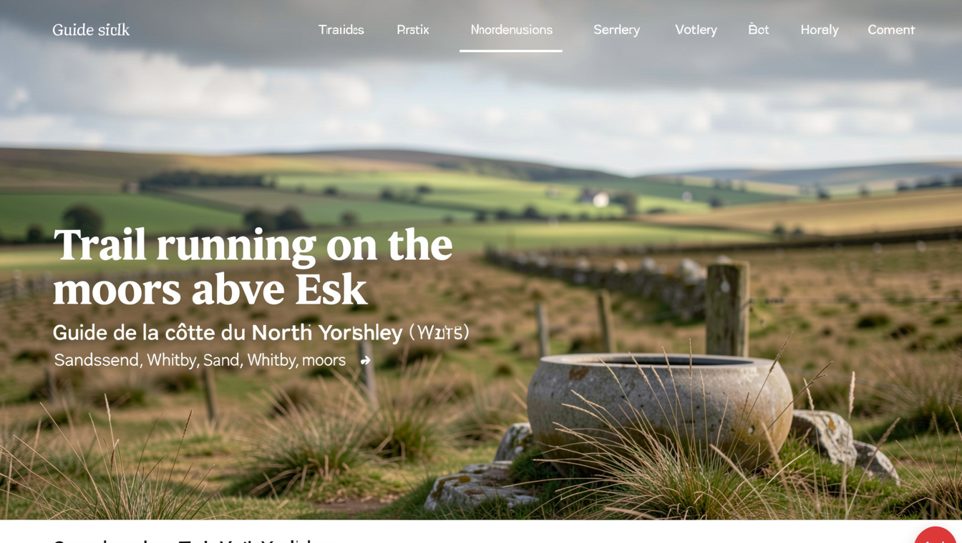
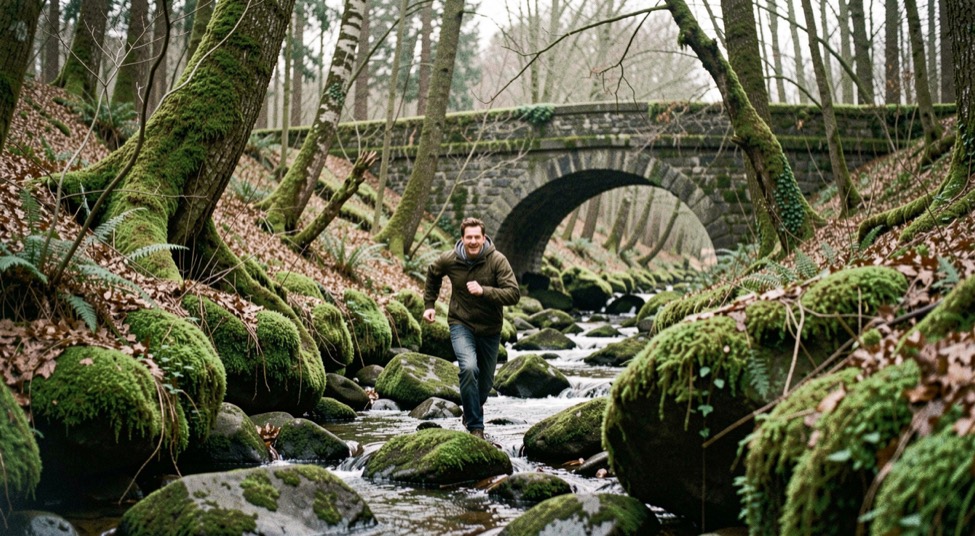
Trail running on the moors above the Esk
Rough ground, short strides and weather that sets the pace: the running this coast was made for.
-
· Paths & Rails
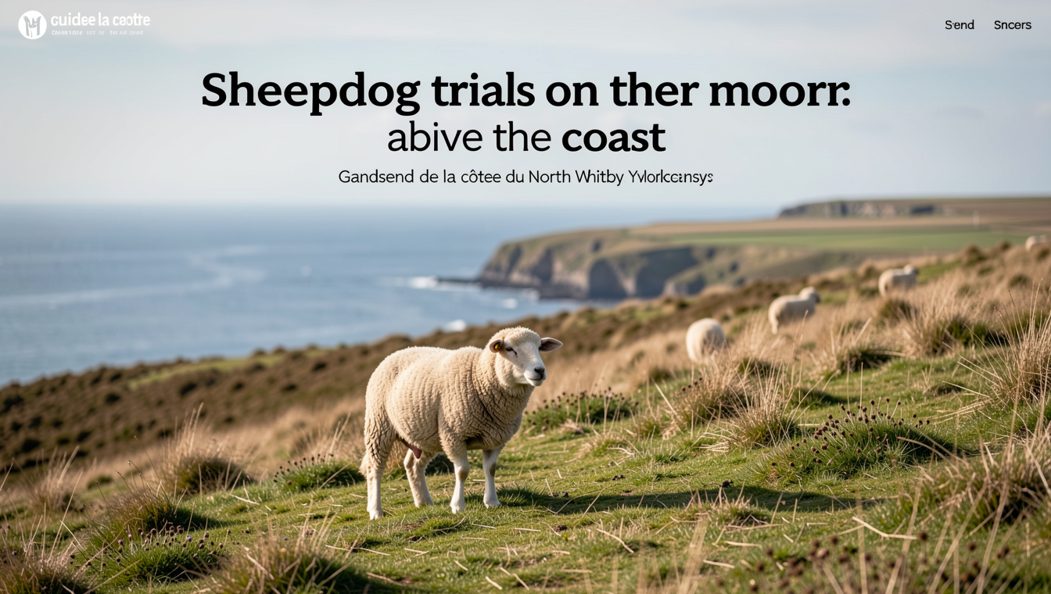
Sheepdog trials on the moor above the coast
A dog, a whistle and five sheep: the hill shepherd’s daily work turned into the oldest sport this ground holds.
-
· Shore & Village
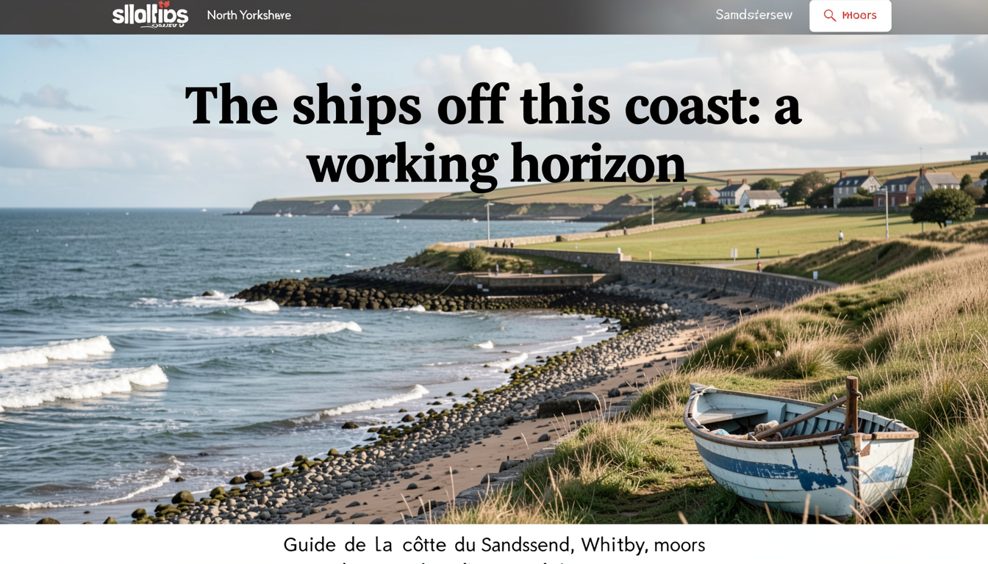
The ships off this coast: a working horizon
The North Sea lane from the cliff seat: what passes, what it carries, and what the traffic still means.
-
· Shore & Village
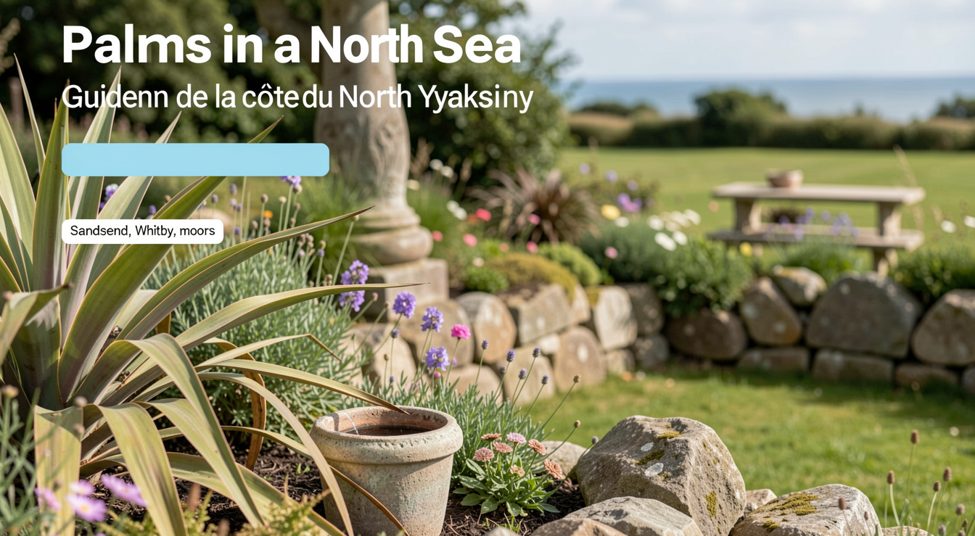
Palms in a North Sea garden
A hardy palm in a cottage garden is a map of where the village’s warmth actually lies.
-
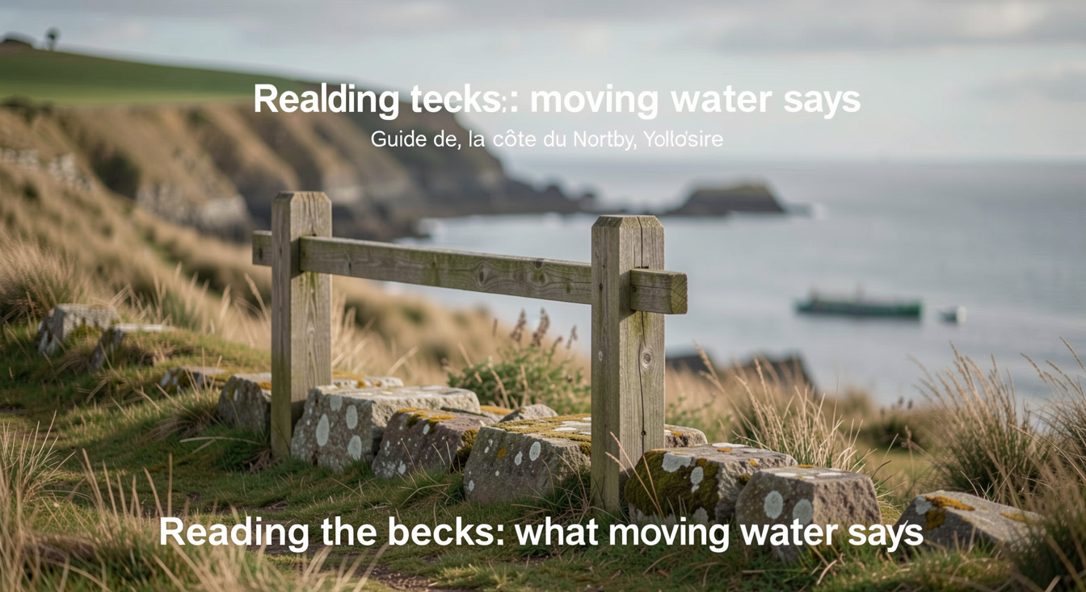
· Paths & Rails
Reading the becks: what moving water says
A beck is a machine for sorting itself, and the pattern it makes is the same one the fish read.
-
· Paths & Rails
Sea trout and canyon rivers: one grammar of water
A modest Yorkshire river and a famous Californian one, asking and answering the same questions.
-
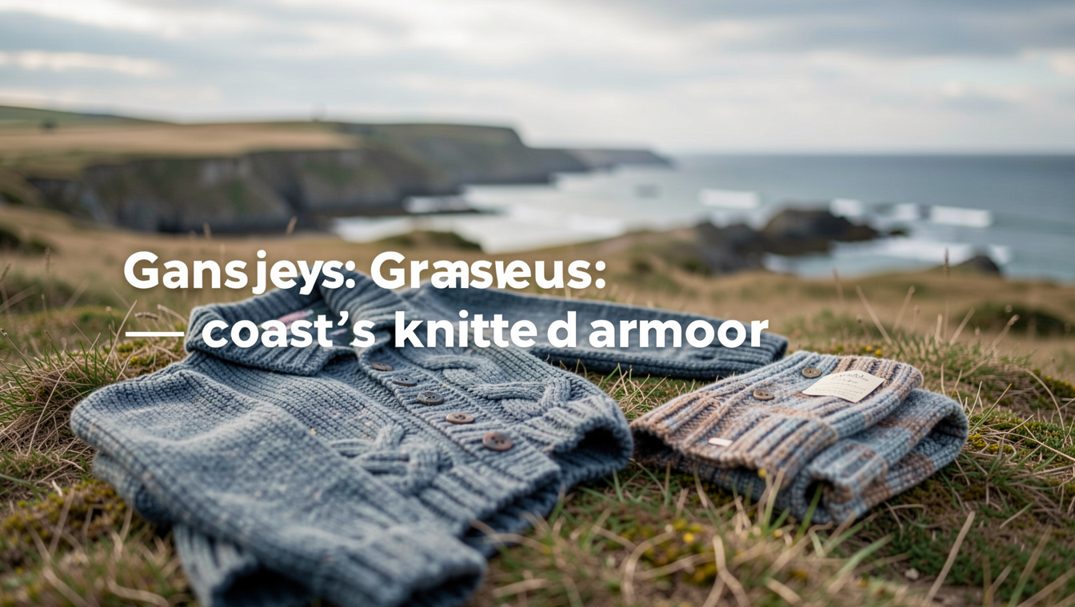
· Stone & Trade
Ganseys: the coast’s knitted armour
Seamless, navy and patterned in knit and purl: the sweater that kept a fishing shore warm, and the craft that kept it.
-
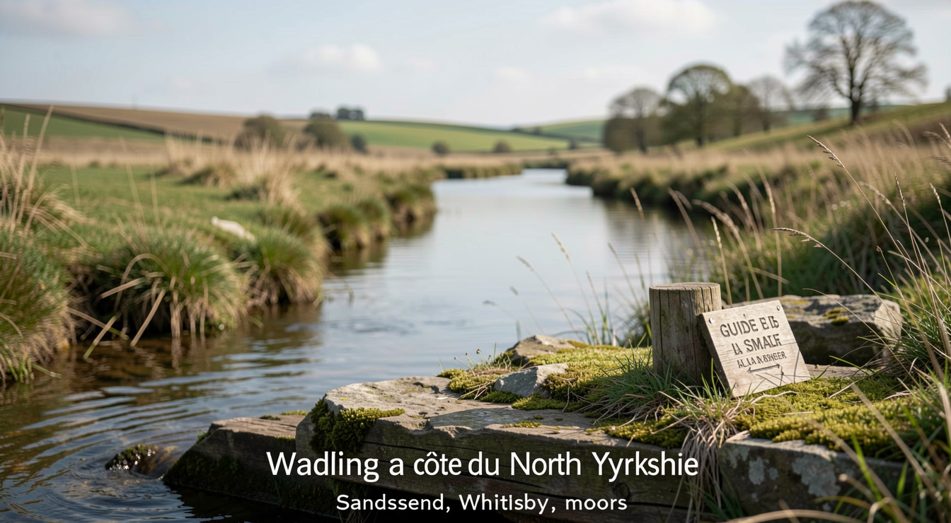
· Paths & Rails
Wading a small river
Stand in the water and the beck explains itself: pressure, footing and the grammar of a current felt through the legs.
-
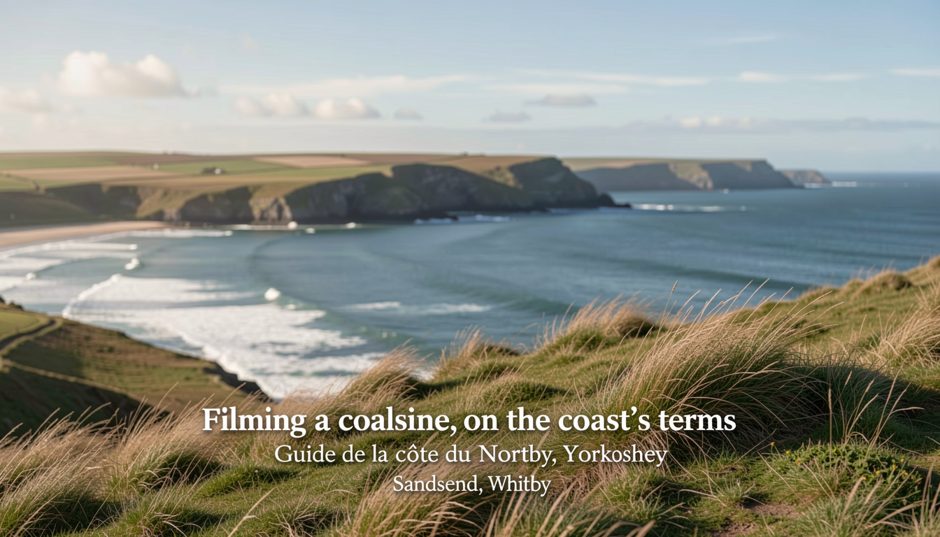
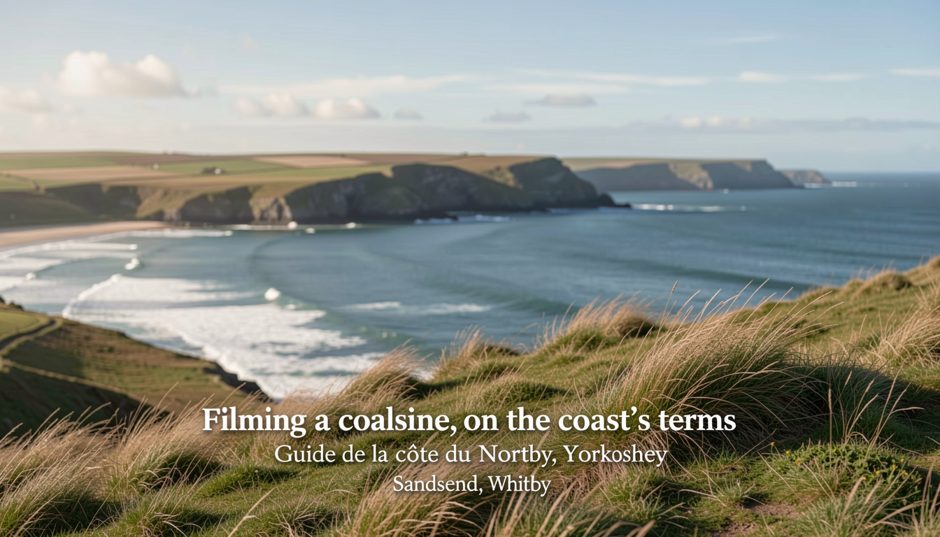
· Shore & Village
Filming a coastline, on the coast’s terms
Tides, light and a plan for rain: the work behind the minutes of this shore that end up on screen.
-
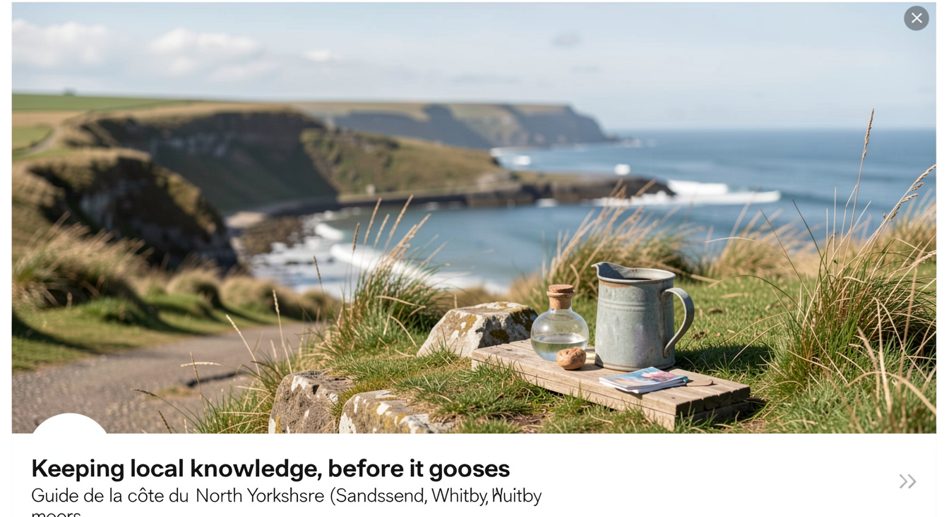
· Shore & Village
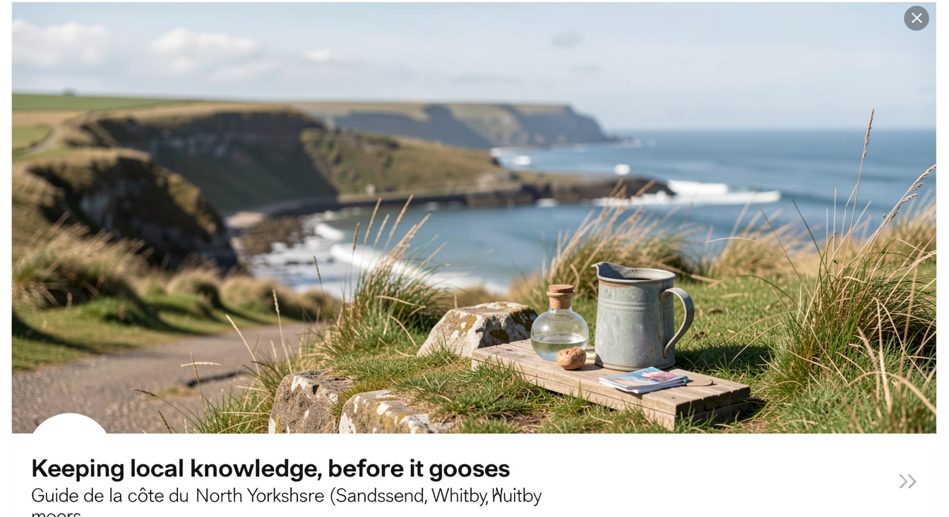
Keeping local knowledge, before it goes
The unwritten memory of a coast: who holds it, who keeps it, and the Tuesday afternoons it survives on.
-
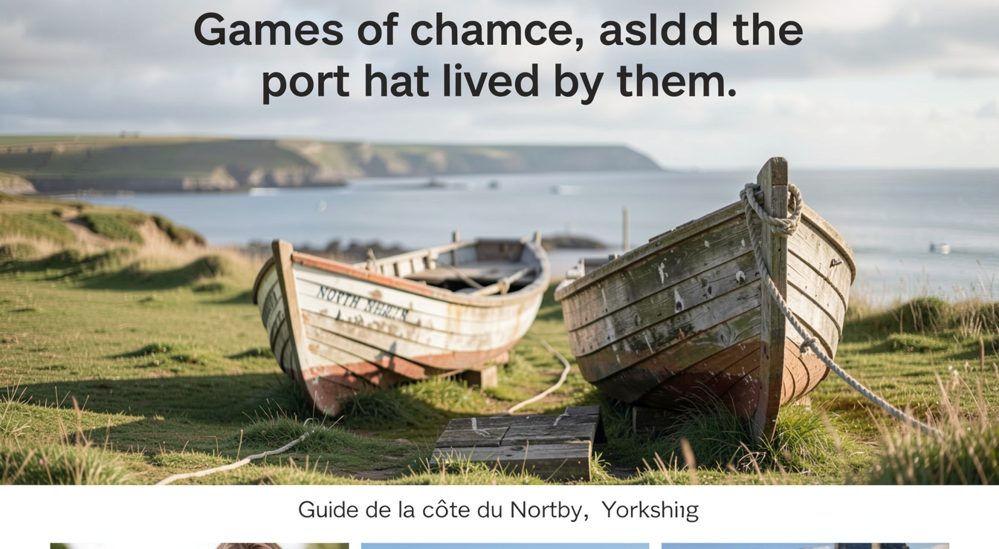
· Stone & Trade
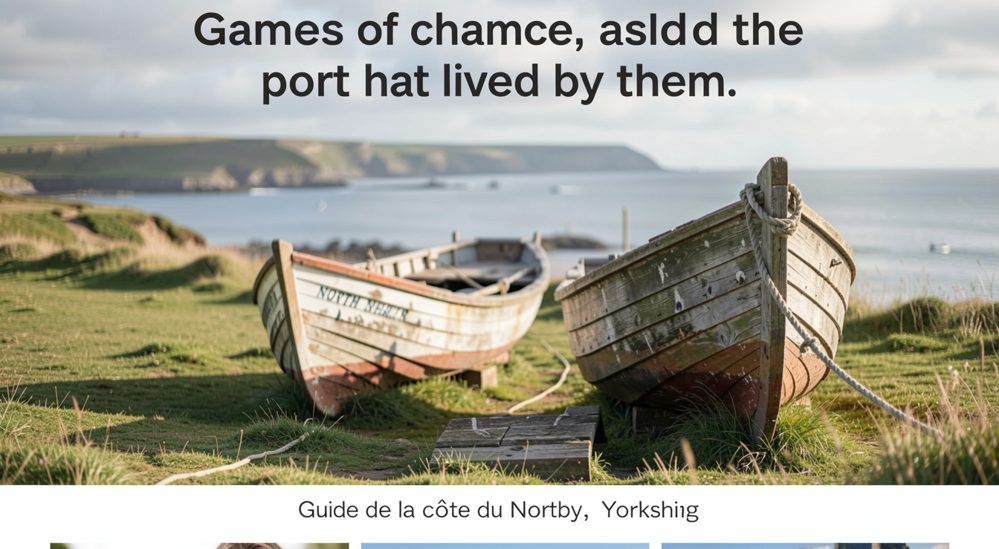
Games of chance, and the port that lived by them
A coast that staked its boats on the weather was always going to make a game of waiting.
-
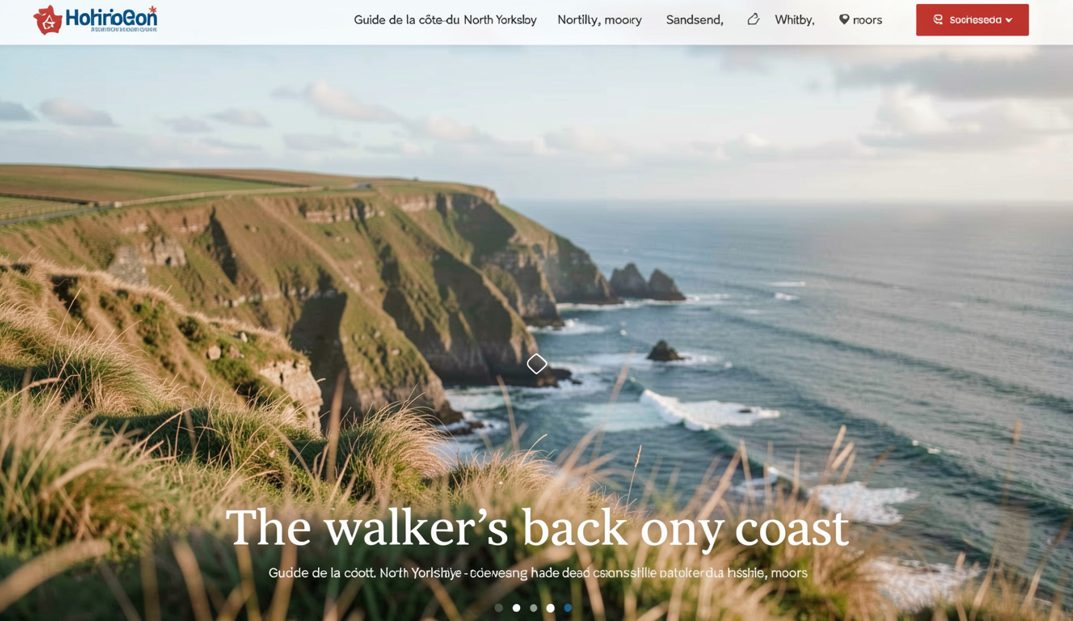
· Paths & Rails
The walker’s back on a hilly coast
The same ground that strains a stiff back on day one is the ground that would have kept it strong.
-
· Shore & Village
Athens, New York: street traditions
Athens, New York, holds a July street festival each summer, runs free Friday concerts at Riverfront Park through the warm months, and marks Community Day with local groups and stalls.
-
· Shore & Village
Staying in Alnwick: B&B or cottage
Alnwick has both bed and breakfast guest houses and self-catering cottages, and the choice comes down to how much you want a kitchen and how much you want someone else to run the morning.
-
· Stone & Trade
Cultural Travel in Northern Peru: A Reader's Guide
Cultural travel in northern Peru means moving slowly through the cloud forest and the dry western slopes of the Andes, spending time at archaeological sites rather than passing through them.
-
· Shore & Village
Silent, directed or preached: retreats explained
A silent retreat is a stay of one or more nights at a retreat house where conversation is set aside so that the day can be given to prayer, rest and reading.
-
· Stone & Trade
Reading Algarve monuments: Sagres, Milreu, Paderne
At Sagres, Milreu and Paderne the visitor stands in front of three different problems.
-
-
· At the Table
Cooking on the Aegean coast: a short guide
Aegean coast cooking rests on three things: what is in season, what the boats bring in that morning, and how much oil and charcoal a kitchen is willing to use.
-
· Paths & Rails
Planning a Trip Abroad: What Travellers Check First
Most people planning a trip abroad start with three things: the flight, the paperwork, and a rough idea of what the destination is like.
-
· Shore & Village
Where to sleep in Sitges: areas and seasons
Sitges has three broad places to sleep: the centre around the casco antiguo, the paseo marítimo facing the sea, and the quieter north zone towards Aiguadolç.
-
· Stone & Trade
Kobe Mosque: Japan's first mosque, opened 1935
Kobe Mosque opened in October 1935, the first mosque built in Japan.
-
· Paths & Rails
Field sports travel: what to check before you go
A trip built around hunting or fishing works best when the dates are checked before the booking.
-
· Shore & Village
Small rooms, low ceilings: chamber music in Reykjavik
Chamber music in Reykjavik is mostly played in small listening rooms rather than concert halls.
-
· Paths & Rails
Planning a first trip: South Africa and Japan
South Africa's safari season runs from May to September, the dry winter months, when vegetation thins and animals gather at water.
-
· Paths & Rails
South Africa and Japan: when to go, how long
A safari in South Africa is best in the dry winter months, from May to September, when vegetation thins and animals gather at water.
-
· Stone & Trade
Reading ruined walls in the Jura
Ruined walls are a record of work, not only of war.
-
· Shore & Village
Field life for a long stay in Senegal
Daily life for a long-term volunteer in Senegal settles into a rhythm of early mornings, shared meals and slow errands.
-
· Stone & Trade
Buying a house in Poland: what German buyers ask
Buying a house in Poland is a notarial process, not a handshake.
Other shores, other notebooks
Eight kept openIn County Mayo, a field journal of the Moy Valley records the same kind of shore: coastal walks along Killala Bay and community notes out of Ballina. On the New South Wales coast, a coastal wildlife guide covers the shore birds and lagoon animals of Batemans Bay. Another walking coast is Galicia’s Costa da Morte, covered in notes on walking the Costa da Morte out to the lighthouse at Fisterra. And for readers who walk for their health, a plain guide to walking for heart health sets out pace, regularity and when to ask a clinician.
On fresh water, a notebook on fishing Eagle Lake in Ontario records seasons, depths and lures the way the Esk’s anglers keep theirs. A landscape photographer keeps a northern light notebook covering Yorkshire and Cumbria, the same light this coast gets at dawn. Across the Salish Sea, a civic notebook from the San Juan Islands keeps lodge history and community notes. And from further off, a Japanese hot spring town notebook keeps a hundred years of local history in short entries.