Section · 11 notes
Stone and trade: what was cut out of these cliffs
Alum, jet and stone. The trades that ate into these cliffs, and the ruin that still marks the entrance to the harbour.
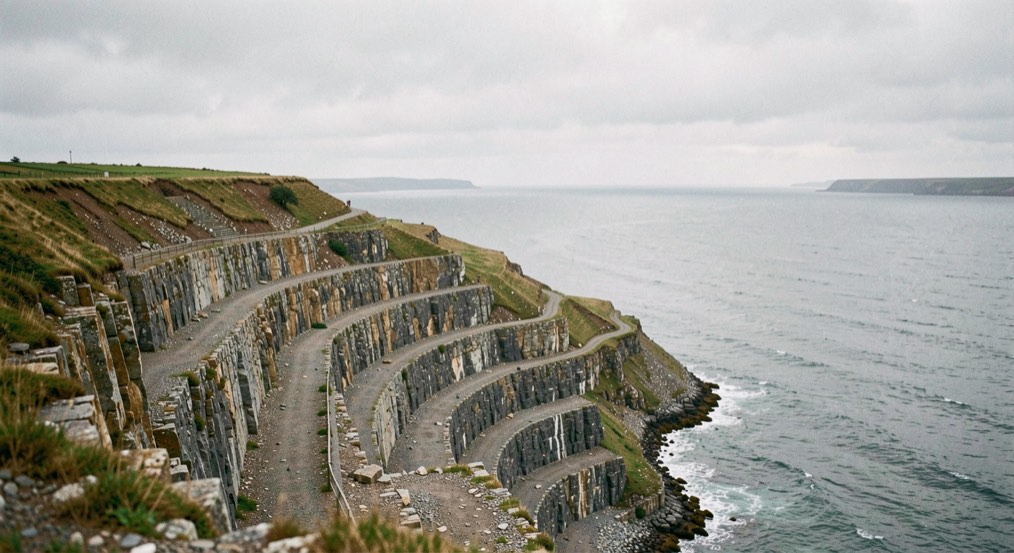
This coast was industrial long before it was scenic. Alum shale was quarried, burned, steeped and boiled here for two and a half centuries; jet, a fossil wood found in the same cliffs, was carved into mourning jewellery and sold across Victorian Europe. The headland above the harbour carries the ruin of an abbey older than either trade.
Four notes cover the workings, the stone, the abbey headland and the wooded estate valley behind Sandsend where the two becks come down.
The 11 notes in this section
Stone & Trade-
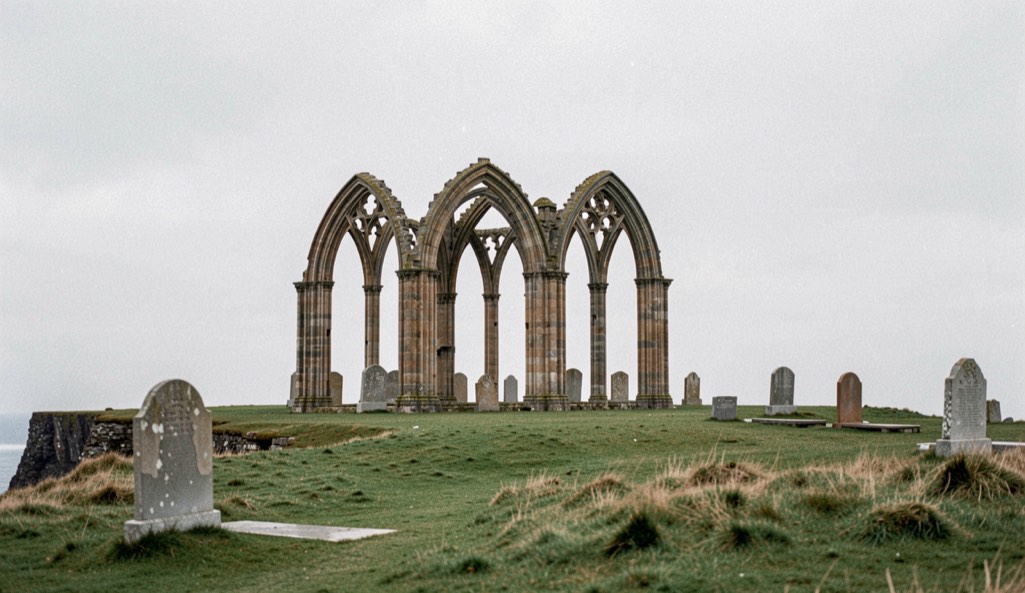
· Heritage note
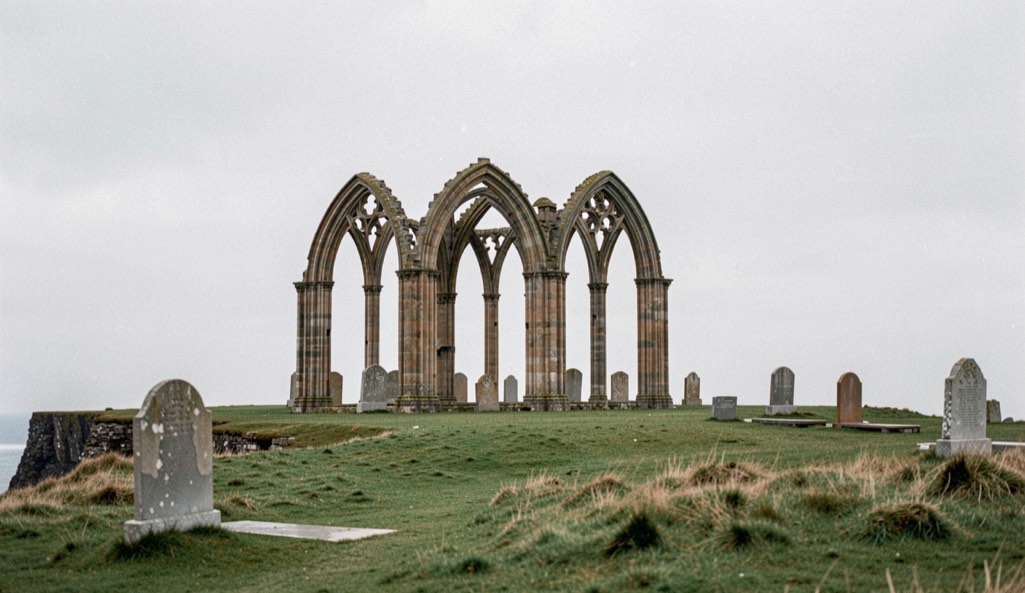
Whitby Abbey and the stairs that climb to it
A double monastery, a synod, a dissolution and a ruin left standing as a seamark: the layers of the East Cliff headland.
-
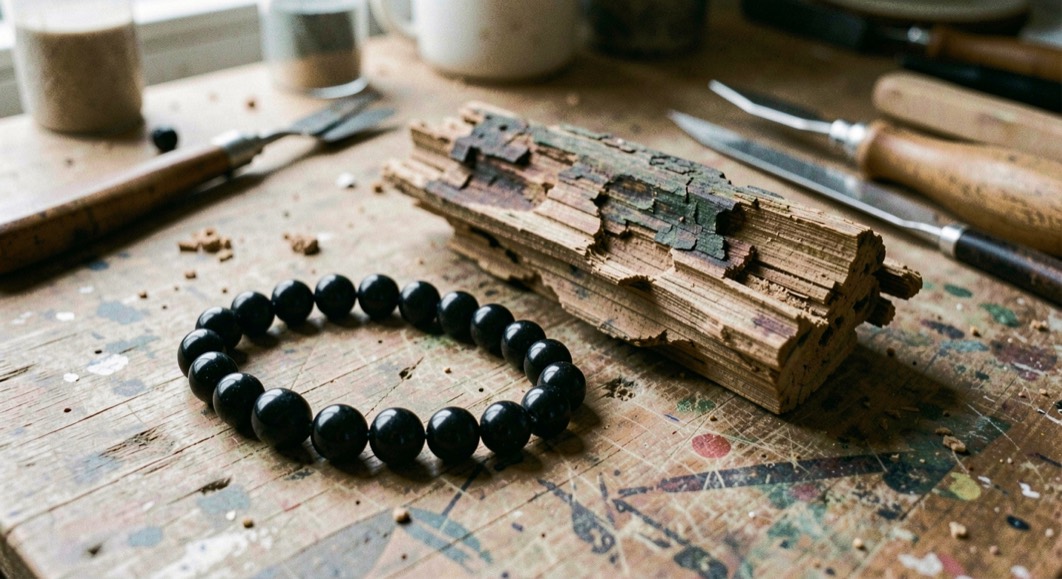
· Trade note
Whitby jet, a fossil wood turned into mourning jewellery
A black stone that is not a stone: how fossilised wood from these cliffs became a Victorian industry, and what remains of it.
-
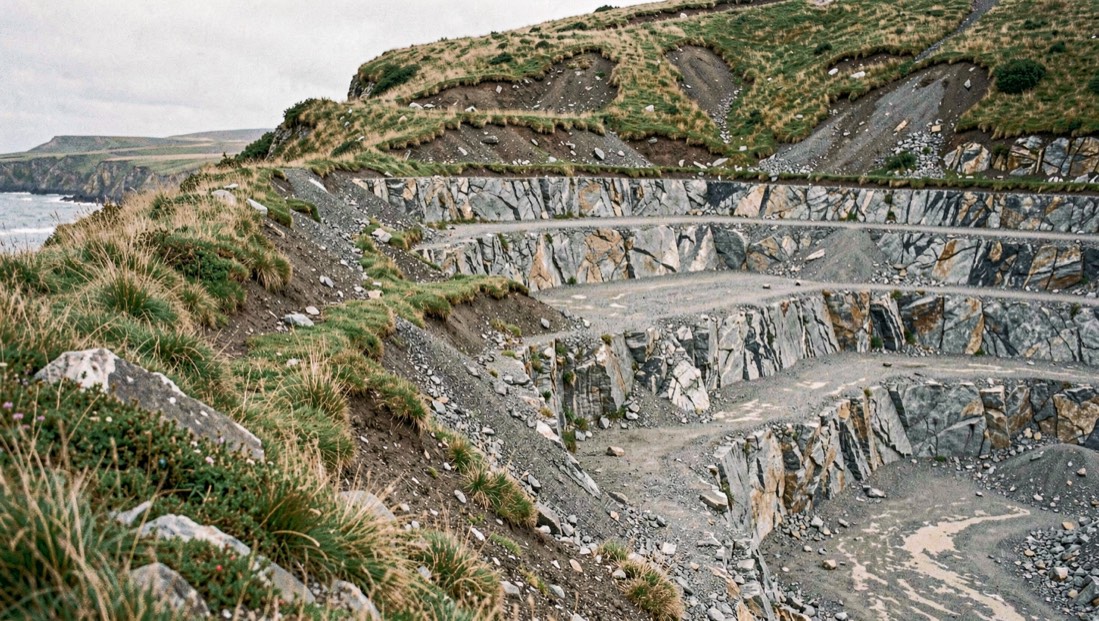
· Trade note
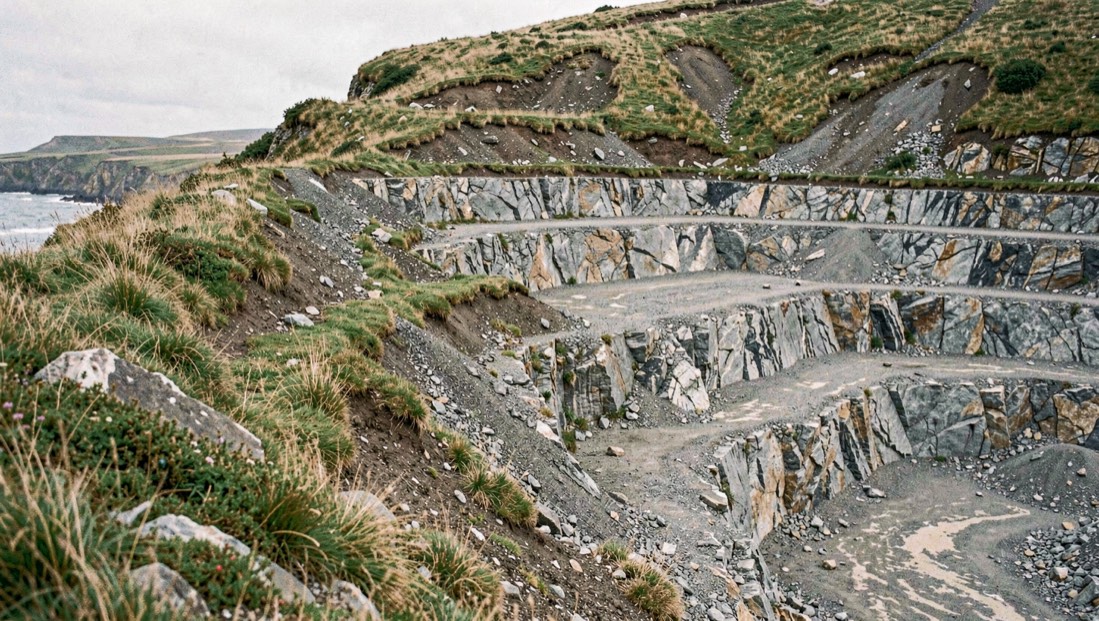
The alum coast: how a cliff was turned into a chemical works
Shale quarried, burned for months, steeped, boiled and crystallised: the industry that cut the terraces still visible north of Sandsend.
-
· Estate note
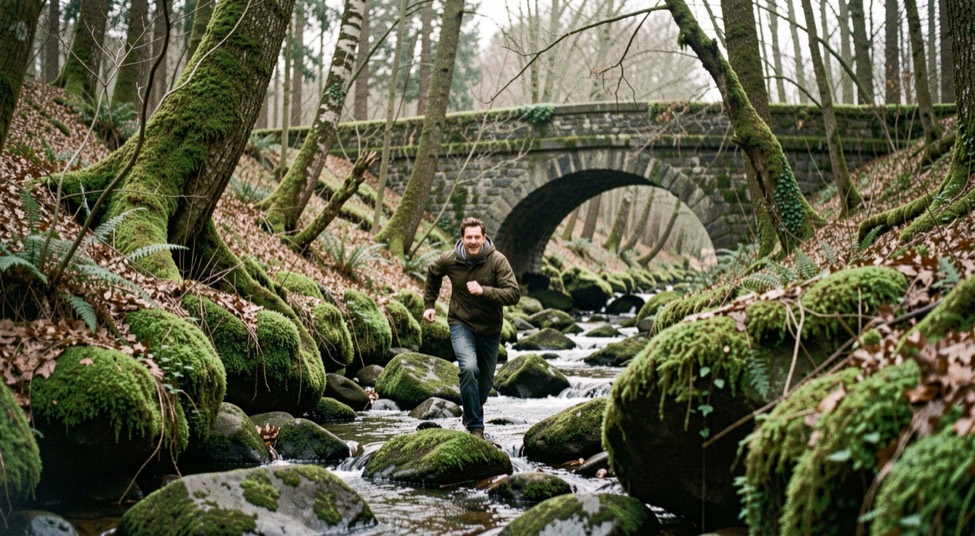
Mulgrave Woods and the two becks behind Sandsend
Behind the sea front, a private estate valley with two becks, an old castle ruin and a walking access that is not open every day.
-
· Trade note
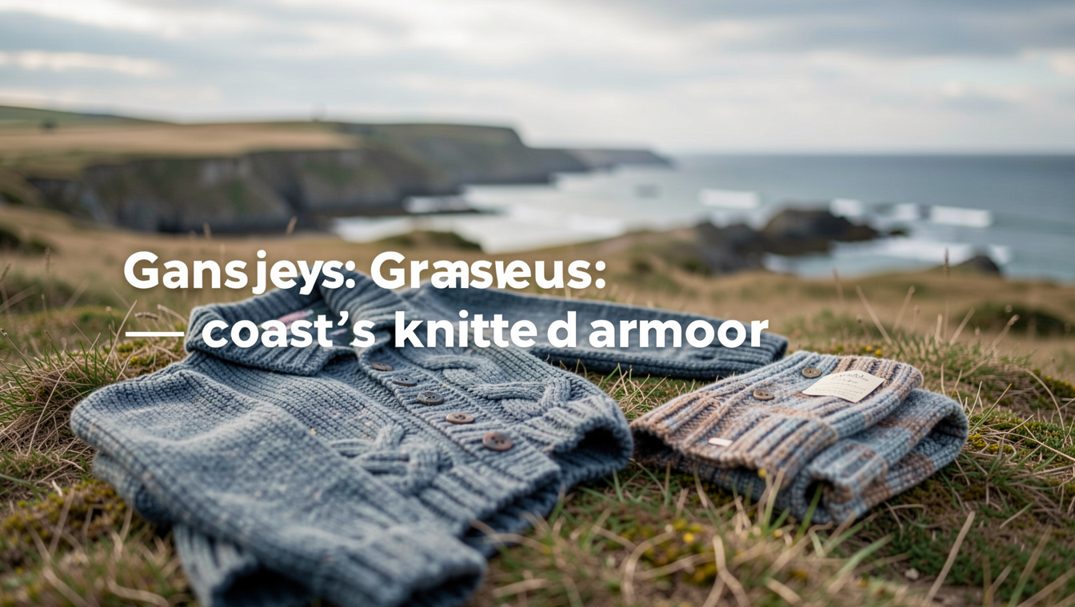
Ganseys: the coast’s knitted armour
Seamless, navy and patterned in knit and purl: the sweater that kept a fishing shore warm, and the craft that kept it.
-
· Trade note
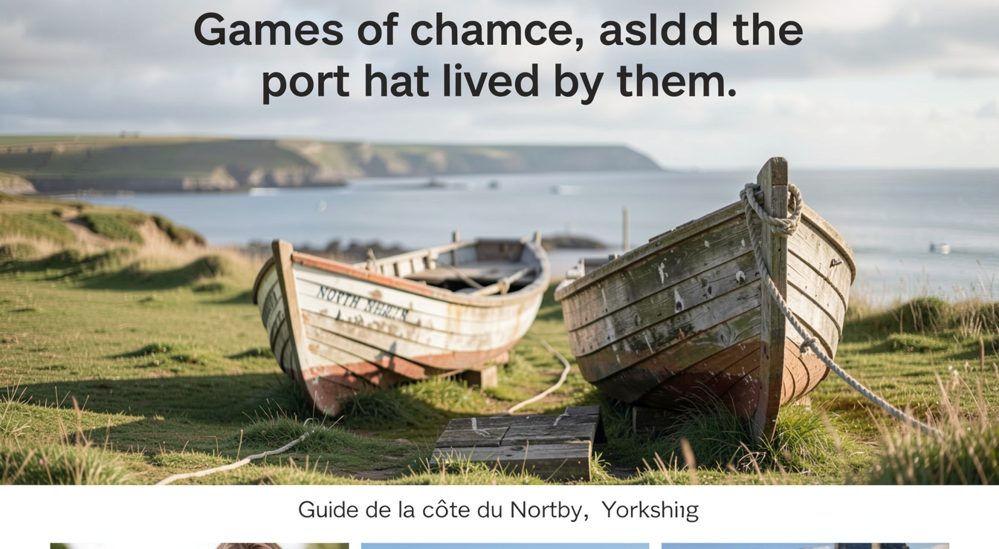
Games of chance, and the port that lived by them
A coast that staked its boats on the weather was always going to make a game of waiting.
-
· Heritage note
Cultural Travel in Northern Peru: A Reader's Guide
Cultural travel in northern Peru means moving slowly through the cloud forest and the dry western slopes of the Andes, spending time at archaeological sites rather than passing through them.
-
· Heritage note
Reading Algarve monuments: Sagres, Milreu, Paderne
At Sagres, Milreu and Paderne the visitor stands in front of three different problems.
-
· Heritage note
Kobe Mosque: Japan's first mosque, opened 1935
Kobe Mosque opened in October 1935, the first mosque built in Japan.
-
· Heritage note
Reading ruined walls in the Jura
Ruined walls are a record of work, not only of war.
-
· Estate note
Buying a house in Poland: what German buyers ask
Buying a house in Poland is a notarial process, not a handshake.
The other sections of the notebook: Shore & Village, Paths & Rails, At the Table.