Section · 4 notes
At the table: two foods with a documented history
Two notes, no rankings. The smoked herring that made the port’s name, and the fried fish supper that outlived it.
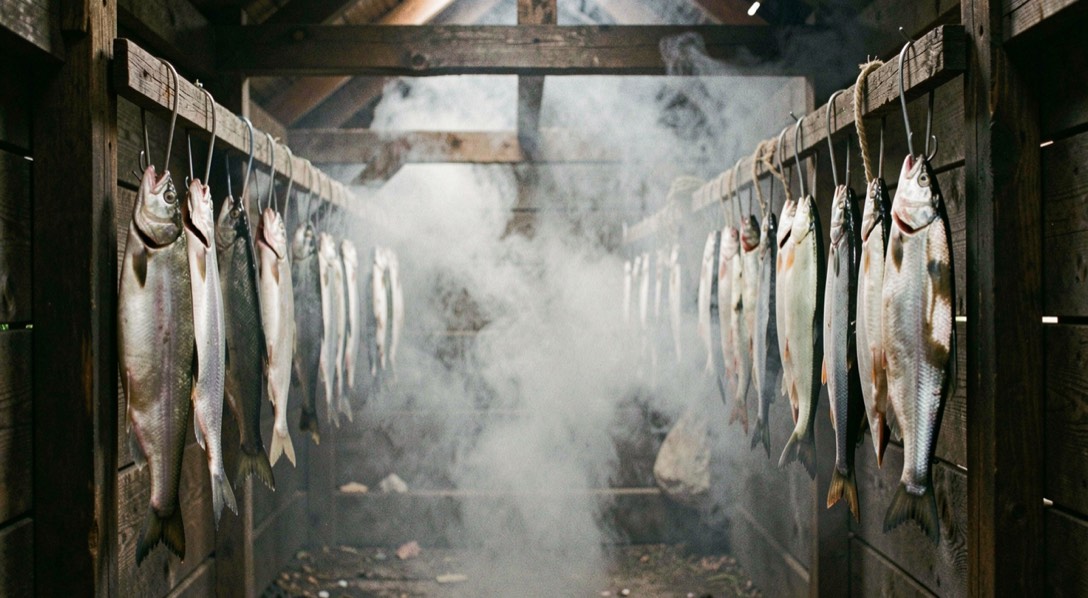
This section is short on purpose, and it names no businesses. Two foods on this coast have a documented history worth reading: the kipper, a herring split, salted and cold smoked over oak, and the fish supper, which grew out of the same fishing fleets and the same cheap frying fat.
Both notes explain the method and the history. Neither recommends where to eat, and neither carries a rating.
The 4 notes in this section
At the Table-
· Food note
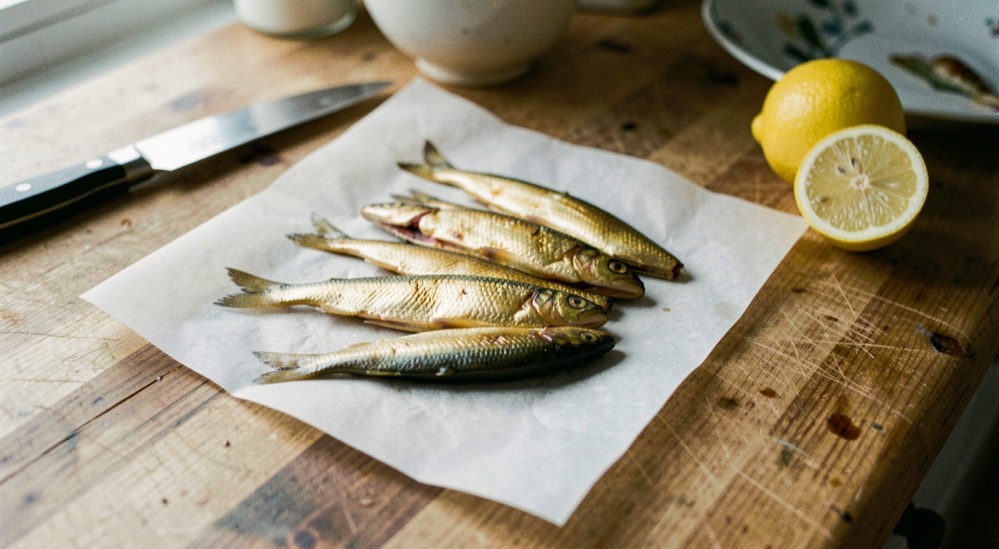
The kipper: a herring split, salted and smoked over oak
Not a species and not a recipe but a method: split, brine, hang, and cold smoke until the fish keeps.
-
· Food note
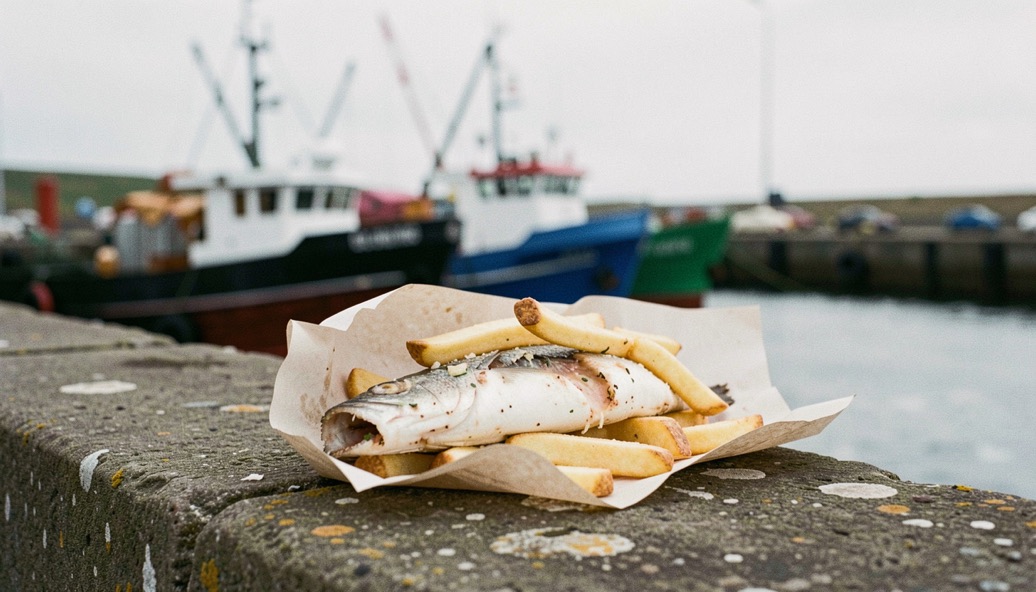
Fish and chips: how a fishing port ended up eating them
Fried fish from one tradition, chipped potatoes from another, joined in the nineteenth century and carried inland by rail.
-
· Food note
Sloes on the coastal path, and what they were for
The last wild harvest on this shore: a bitter plum, a spiny hedge, and the uses a farming coast found for both.
-
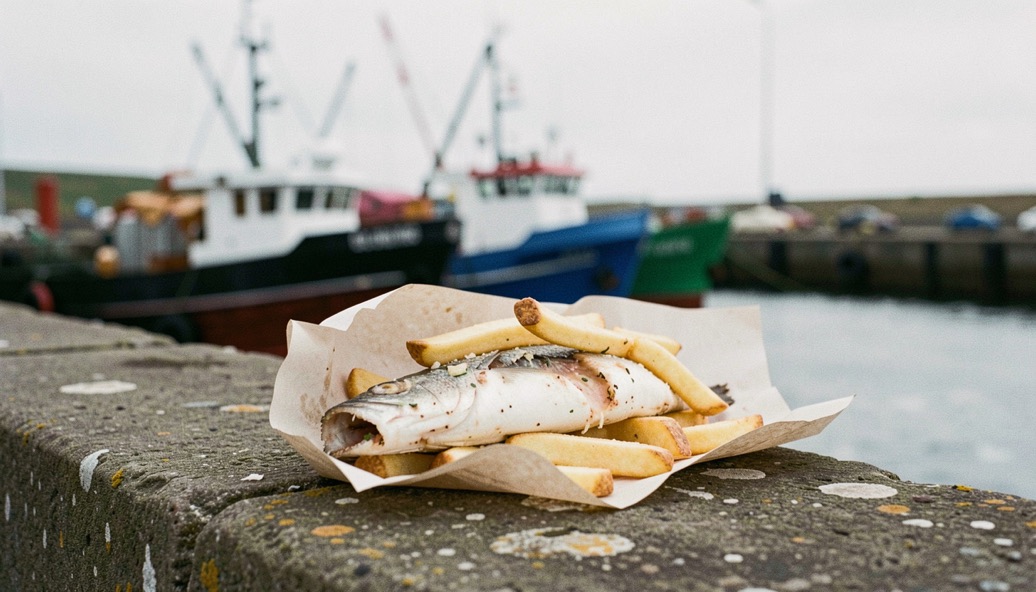
· Food note
Cooking on the Aegean coast: a short guide
Aegean coast cooking rests on three things: what is in season, what the boats bring in that morning, and how much oil and charcoal a kitchen is willing to use.
The other sections of the notebook: Shore & Village, Stone & Trade, Paths & Rails.