Food note
Cooking on the Aegean coast: a short guide
Aegean coast cooking rests on three things: what is in season, what the boats bring in that morning, and how much oil and charcoal a kitchen is willing to use.
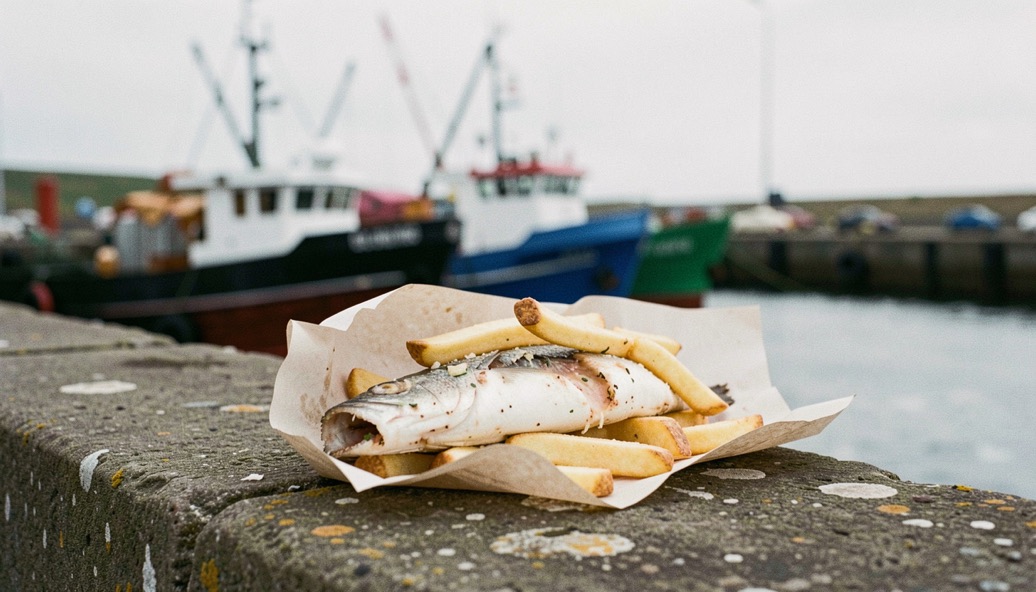
Aegean coast cooking rests on three things: what is in season, what the boats bring in that morning, and how much oil and charcoal a kitchen is willing to use. Dishes change week by week rather than following a fixed menu. A traveller who understands the calendar eats better and pays less.
The coast runs from Çanakkale down past Izmir and Bodrum to Antalya, and the cooking shifts with it. Olive groves start around Ayvalık and continue south. Fishing ports are small and local. Most kitchens are family operations, and many of them belong to a guesthouse rather than a restaurant. A useful background note on how these small coastal stays work appears in this Aegean pension guide, which covers the difference between a pension and a hotel and what sets the price in a coastal town.
What grows along the Aegean in each month?
Spring belongs to wild greens. From March, markets in Izmir and Bodrum sell nettles, purslane, sorrel, and the thistle-like şevketibostan. These are boiled, dressed with olive oil and lemon, and served cold. Artichokes appear in April around Kuşadası and Urla. Broad beans arrive at the same time and are eaten young, with dill and yoghurt.
Summer brings tomatoes, peppers, cucumbers, and aubergines in quantity. Figs start in August, and the first grapes follow. Melons are cheap by July. This is when a market stall costs very little and a kitchen can afford to cook simply: grilled vegetables, a bowl of yoghurt, bread, and oil. Nothing needs a long method.
Which fish is worth buying, and when?
Turkish coastal fishing follows a closed season. The general ban on commercial fishing runs from mid-April to mid-September, so summer fish is mostly farmed or line-caught. Sea bass and sea bream from farms are available all year and are reliable. Hamsi, anchovy, belongs to winter and the Black Sea trade, but it appears on Aegean tables from November.
In autumn, after the ban lifts, the range widens: red mullet, sardines, mackerel, and bonito. A fish restaurant usually prices by weight, so ask before ordering. Grilling over charcoal is standard. A whole fish is served with lemon, rocket, and onion, and nothing else. If the price is not displayed, that is a reason to walk on.
How does a pension kitchen differ from a restaurant?
A pension is a small guesthouse, often family-run, and breakfast is usually included. That breakfast is the clearest expression of the region: white cheese, olives, tomatoes, cucumber, honey, jam, boiled eggs, and endless tea. It is served on a terrace, and it is rarely written down as a menu. The cook decides that morning.
Evening meals are less predictable. Some pensions cook for guests if asked in advance, using whatever came from the market. Others leave guests to eat out. This is worth asking about on arrival rather than assuming. A guesthouse with a kitchen and a garden will often produce better food than a nearby restaurant, at a lower price, because there is no separate rent to cover.
What should a visitor buy at a coastal market?
Markets move from town to town by day of the week, and each has one main day. Produce is sold by the kilo, and prices are posted. Cheese, olives, dried figs, and olive oil travel well and survive a journey home. Fresh herbs do not. Honey and pine honey from the Muğla area are sold in tins and keep for years.
Spices are cheaper inland than on the seafront. A market in a town that is lived in all year round will have lower prices than one in a resort that empties in October. Go early, before ten, when the fish and the best greens are still there. Take cash, since card readers are not universal at small stalls.
When is the best time to eat on this coast?
September and early October are the strongest months. The sea is still warm, the summer crowds have gone, and the autumn catch has started. Tomatoes and peppers are at their peak, and figs are still coming in. Prices for rooms drop after the first week of September.
June is also good, before the heat and before the peak. July and August are hot, busy, and expensive, and the fish selection is at its narrowest. Late April suits anyone who wants wild greens and empty beaches, though the sea is cold. A coastal stay in spring or autumn costs less and tastes better.
How do you plan a trip around the food?
Pick a base rather than moving every night. A town with a year-round population will have a weekly market, a fishmonger, and a bakery that opens early. From there, day trips are easy. Boat trips leave from most harbours and usually include a lunch of grilled fish, which is worth checking before booking.
Budget roughly by meal rather than by day. Breakfast is normally included in a pension. Lunch from a market or a bakery costs little. Dinner is the variable, and fish by weight is the main reason a bill climbs. Ask the price, choose the size, and the rest of the trip stays simple. Local customs are straightforward: tea is offered, shoes come off at the door, and a slow meal is the point.
Cooking on the Aegean coast leans on what the morning market offers: tomatoes, courgettes, a handful of herbs, oil pressed nearby. The same habit of travelling light and buying locally carries over into longer journeys. Anyone leaving the UK for a foreign trip soon meets the same questions of where to go, what to carry and how much to plan ahead. A short guide sets out those first steps, from choosing a country to packing a single bag, and it sits alongside cooking along the Aegean as a companion note for readers heading further afield.
On the Aegean coast, the frying is done in olive oil, and the fish goes in whole, often small and bony, eaten with the fingers and a squeeze of lemon. The principle is the same as on the Yorkshire coast: fresh fish, hot fat, salt at the end. What differs is the batter. Along the North Sea, a thick flour and water coating protects the fish through the fry, and it arrived with the trawl fleets and the railway. Fish and chips on this coast traces that route.