Moor note
Field sports travel: what to check before you go
A trip built around hunting or fishing works best when the dates are checked before the booking.
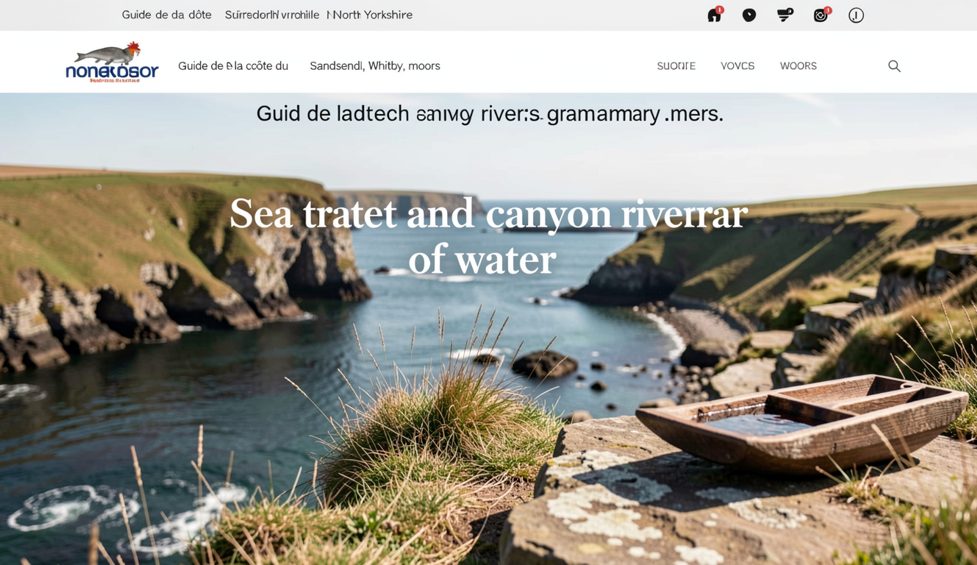
A trip built around hunting or fishing works best when the dates are checked before the booking. Season openings, tide times and travel days rarely line up by accident, and the rules that govern them are published in advance. The useful work happens at a desk, weeks before anyone leaves.
Why do the dates matter more than the destination?
A river or a field is only as good as the day you stand in it. Salmon runs in Alaska follow their own calendar, and a week either side of the peak changes what a rod sees. The same applies to upland birds in Texas, where opening dates are set by regulation and heat decides how the dogs work. Pick the place first and the dates become a compromise. Pick the dates first and the place usually follows.
For anyone weighing a first trip, an almanac of field notes is a sensible starting point, because it keeps the calendar in view rather than the brochure. The Nushagak drainage and Bristol Bay are a clear example: five species of Pacific salmon arrive in sequence, and sonar counts are published as the season runs. A reader who follows those counts learns that the middle of July and the middle of August are different fisheries, not the same one at different prices.
What should be checked before booking?
Start with the official season dates and the licence. In Alaska, the Department of Fish and Game publishes emergency orders that can close or extend a fishery at short notice, and those orders override anything printed earlier. In Texas, the Parks and Wildlife Department sets dove and quail seasons by zone, and the zones do not always match the county lines a visitor assumes. Read the current year, not last year’s copy.
Then check the practical layer: travel days, accommodation that accepts dogs or boats, and the weather that usually arrives in that month. A dove field after rain is a different proposition from a dove field in drought, and the flight lines shift with the water. None of this is exotic. It is the ordinary checking that separates a trip that works from one that is merely booked.
How do tides and water shape a fishing day?
On the Bristol Bay coast, the tide sets the working hours. A falling tide concentrates fish in the channels, and a rising tide pushes them onto new ground. Two anglers on the same river can have completely different days an hour apart. Tide tables are free, published a year ahead, and worth reading before the flight is booked rather than after.
Fresh water adds a second variable. Rain raises the rivers, colours the water and moves the fish upstream. A sonar count at a weir tells you how many have passed, but not how they are behaving where you stand. The habit worth keeping is simple: note the tide, note the water height, note what the day produced. Over a season those notes become more useful than any single forecast.
What does a field notebook actually record?
The useful entries are dull. Date, place, time on the water, tide or water level, weather, and what was seen. A count of birds on a roadside route, a note that coveys were found near a particular cover, a line about a shower that arrived at four. None of it reads well. All of it answers questions later, when someone asks whether a date is worth repeating.
A reading log sits alongside it. Regulations change, and the source documents matter more than the summaries. Keeping the reference, the date it was checked and the correction that followed turns a folder of paper into something a person can trust. It also makes the next trip quicker to plan, because the questions have already been asked once.
Where does the paperwork fit?
Licences, tags, permits and transport rules are the part of a trip that cannot be improvised. Some states require a hunter education certificate before a licence is issued, and some fisheries need a harvest record filled in on the day. Firearms and ammunition travel under carrier rules that differ from the rules on the ground. Check both, and check them again close to departure.
Meat and fish transport has its own requirements, and they vary by state and by species. The safest approach is to read the current regulation summary for each jurisdiction on the route, not just the destination. A trip that ends at a checkpoint with the wrong paperwork is a trip that failed at the desk, months earlier, for want of an hour’s reading.
Is a guided day worth it for a first visit?
On unfamiliar water, a guide shortens the learning curve. Local knowledge covers access points, private land boundaries and the habits of fish or birds in that specific week. It also removes the guesswork about where to launch or park. The cost is real, and it buys time rather than certainty.
For readers who prefer to work it out alone, the alternative is a scouting trip without equipment. Walk the access, read the notices, speak to the office that issues the permits. Either way, the first visit is for information. The second visit is for the thing itself, and it is usually better for it.
Field sports on the paths and rails around Sandsend keep their own quiet rhythm: a short walk out, a fixed hour, then home before the light goes. The same holds for small rooms elsewhere. In Reykjavik, players fill low-ceilinged spaces with free-reed melodica, short sets and early reflections, and a city of 140,000 turns out for it. That note on chamber music in Reykjavik sits alongside these field notes, and both are kept on the same site, thewoodlands-sandsend.com.
The Esk below Whitby carries the same lesson as the rivers further off. Sea trout wait for rain, then move up on the first coloured water. On the McCloud, in California, the autumn run follows the same rule: high water, then fish. Anglers on the Yorkshire coast watch the beck at Sandsend for the same sign. A spate after a dry spell is the moment. The sea trout and canyon rivers note sets the two beside each other, and the water says the same thing in both places.