Moor note
Planning a first trip: South Africa and Japan
South Africa's safari season runs from May to September, the dry winter months, when vegetation thins and animals gather at water.
South Africa’s safari season runs from May to September, the dry winter months, when vegetation thins and animals gather at water. A first trip to the country needs ten days to two weeks to cover one safari area and one city. Japan rewards a first visit of ten to fourteen days, split between Tokyo, Kyoto and one stop between them.
When is the best time for a safari in South Africa?
Winter, from May to September, is the dry season in the bushveld. Grass is short, trees lose leaves, and game concentrates around pumps and rivers, so sightings are easier. Days are warm and nights cold, and malaria risk in the lowveld is lower than in the wet months. The trade-off is dust and early darkness. October to April brings rain, green landscapes, newborn animals and migrant birds, but thick cover and afternoon storms. For a first safari, the dry months are the simpler choice. Travellers who want to see the Cape Peninsula and the winelands as well should note that the Western Cape has the opposite pattern: rain falls in winter, and the coast is drier and warmer from November to March. A trip that combines both regions has to accept one of them out of season, or split the journey into two visits. Anyone comparing routes and asking about safari season timing will find that the answer depends on which half of the country is meant.
How long does a first trip to South Africa take?
Ten days is the practical minimum. Two weeks is comfortable. The country is roughly five times the size of the United Kingdom, and internal flights or long drives eat into the calendar. A common shape is three nights in Cape Town, two or three in the winelands or along the Garden Route, then three or four nights in a private reserve or a national park such as Kruger. Add a day at each end for the flights from Europe, which take around eleven hours direct to Cape Town or Johannesburg. Shorter trips of seven days exist, but they usually mean one region only, most often Cape Town and the Cape winelands, with no safari. Longer trips of three weeks allow the Garden Route, a safari, and a few days in Johannesburg or the Drakensberg. Self-drive works well on the Garden Route and in the Cape, while most safari reserves are reached by road transfer or light aircraft from Johannesburg or Nelspruit.
What does a first Japan itinerary look like?
Ten to fourteen days covers the classic first route: Tokyo, Hakone or the Fuji Five Lakes, Kyoto, and a day in Nara or Osaka. The shinkansen connects Tokyo and Kyoto in about two hours fifteen minutes, so the middle of the trip can be spent moving rather than flying. A workable plan is four nights in Tokyo, two in Hakone, four in Kyoto, two in Osaka, with a day trip to Nara from Kyoto or Osaka. First-time visitors often add Hiroshima and Miyajima, which needs two more nights. Spring, late March to early April, brings cherry blossom and crowds; autumn, November, brings maple colour and similar crowds. Summer is hot and humid, and late August to September is typhoon season. Winter is cold but clear, and Kyoto is quiet. Rail passes, IC cards and seat reservations are best sorted before arrival, and luggage forwarding between hotels removes the need to carry bags on trains.
What to settle before booking anything
Flights, visas and vaccinations set the frame. South Africa requires a passport valid for thirty days beyond departure and at least two blank pages; some nationalities need a visa, and yellow fever certificates apply to travellers arriving from certain countries. Japan offers visa-free entry to many nationalities for short stays, and the rules change, so the embassy page is the place to check. Malaria tablets are a decision for a travel clinic, not a forum. Travel insurance should cover medical evacuation, especially for safari areas far from hospitals. Both countries drive on the left, which matters for self-drive in South Africa and for anyone considering a car in rural Japan.
Money, packing and the small practicalities
South Africa uses the rand, and cards are accepted almost everywhere except small roadside stalls and some park gates, where cash helps. Japan remains more cash-friendly than expected, though cards and IC cards work in cities; many small restaurants and temples take coins only. Tipping is normal in South Africa, around ten to fifteen per cent, and not customary in Japan. Pack layers for South Africa: a safari morning can start near freezing and reach the high twenties by lunch. For Japan, pack shoes that come off easily, since temples and some restaurants ask for it, and a small towel, which is standard in public toilets. Both countries have excellent domestic transport, so a heavy suitcase is a burden rather than a help.
Booking the pieces in the right order
The order that causes the fewest problems is: flights first, then internal transport, then accommodation, then activities. Safari lodges in the dry season sell out months ahead, and the same is true of Kyoto in cherry blossom and autumn colour weeks. Domestic flights in South Africa are cheap if booked early, and shinkansen seats can be reserved from a month before travel. A first trip does not need a guide for every day. A guided safari drive, a food walk in Osaka and a temple stay are enough structure; the rest can be left to the day. The two countries suit different rhythms, and a first visit to either is mostly a matter of choosing one region, giving it enough nights, and resisting the urge to add a third.
Planning a first trip often starts with the calendar rather than the map. The same is true further afield. A safari in South Africa looks different in the dry winter months, when grass is short and animals gather at water, and different again in the green summer, when birds arrive and calves are born. Deciding when to travel shapes the route, the cost and what you actually see. For that side of the planning, see choosing a safari month.
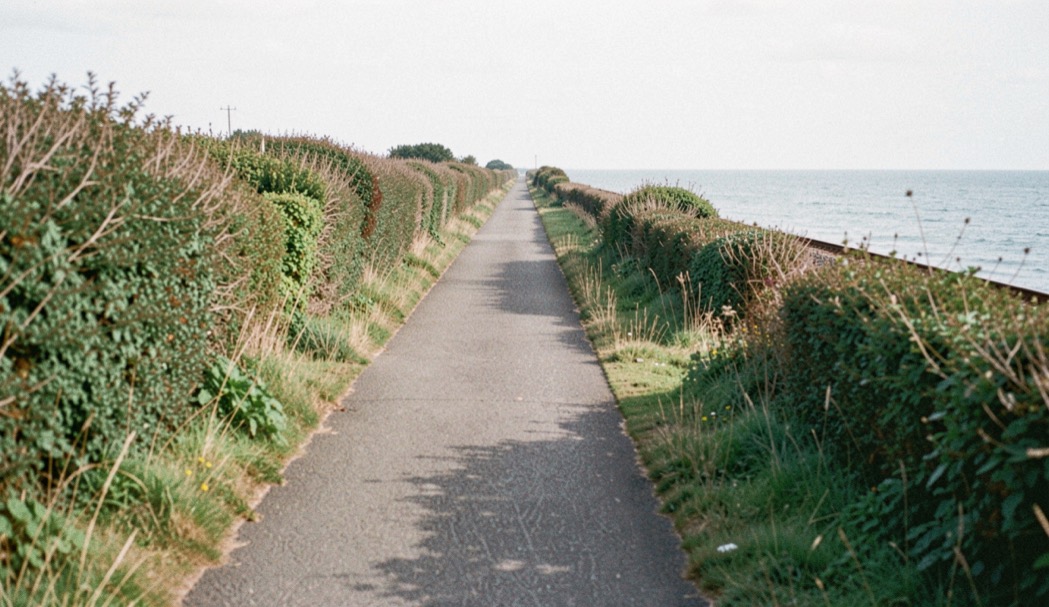
A first trip often starts with the simplest question: how far can you walk before the path runs out? The old railway line between Scarborough and Whitby closed in 1965, and its formation now carries walkers and cyclists along the cliff tops. That gives a useful measure for a first outing, since the surface is firm and the gradients are gentle compared with the Cleveland Way. For a shorter version of the same idea, the Cinder Track keeps the sea in view for most of its length.