Moor note
South Africa and Japan: when to go, how long
A safari in South Africa is best in the dry winter months, from May to September, when vegetation thins and animals gather at water.
A safari in South Africa is best in the dry winter months, from May to September, when vegetation thins and animals gather at water. A first South Africa round trip needs two to three weeks. A first Japan trip works best on a single corridor, Tokyo to Kyoto and back.
When is the best time for a safari in South Africa?
The dry season runs from May to September. Grass is short, bushes lose leaves, and game is easier to see. Water points draw animals into the open, so a morning drive often delivers more in an hour than a whole wet-season day.
June and July are the coldest nights, with frost in some reserves and temperatures near freezing before dawn. August and September are drier and warmer by day. This is also when many European families travel, so lodges in the Sabi Sand and Kruger fill early. Booking six to nine months ahead is normal for the better camps.
The wet season, roughly November to March, is greener and cheaper. Migrant birds arrive, calves are born, and the bush is thick. Sightings are harder, but the landscape is at its best and rates drop. For a first safari, the dry months remain the simpler choice. Anyone weighing a longer trip across the region can start with German-language notes on when to travel in South Africa, which set out the seasons alongside other destinations.
How much time does a first South Africa round trip need?
Two weeks is the minimum for a route that includes Cape Town, the Garden Route and one safari reserve. Three weeks is more comfortable and lets the trip breathe. Under ten days, most people end up choosing either the Cape or the bush, not both.
A common three-week shape: four nights in Cape Town, three on the Garden Route as far as Port Elizabeth, a flight to Johannesburg, then four or five nights in a private reserve or Kruger. Add a night in Johannesburg at each end for international connections. Internal flights are frequent and save long drives.
Self-drive works well on the Garden Route, where roads are good and distances are short. For the safari section, a lodge with transfers removes the need for a car. Distances between the Cape and the bush are large, so flying is usually worth the cost. Winter days are short, with sunset around 17:30, which limits afternoon driving.
Which route suits a first trip to Japan?
For a first visit, the classic corridor is Tokyo, Hakone or the Fuji area, Kyoto and Osaka. Ten days to two weeks covers it without rushing. The Tokaido shinkansen links the cities, and a Japan Rail Pass or individual tickets make the legs simple.
A workable twelve-day plan: four nights in Tokyo, two in Hakone, four in Kyoto with a day trip to Nara, two in Osaka. Kyoto rewards early starts, since the popular temples fill by mid-morning. Osaka is the base for food and for flights home from Kansai.
Beyond this corridor, Kanazawa, Hiroshima and the Japanese Alps each add two or three days. First-time visitors who try to include all of them often spend their trip on trains. Cherry blossom in late March and April and autumn colour in November are the busiest periods, so accommodation should be booked months ahead. Summer is hot and humid, and the typhoon season runs into September.
What should be decided before booking?
Season first, then length, then route. In South Africa the season decides where you can go and what you will see. In Japan the season decides price and crowd levels more than access. Both countries reward a trip built around fewer places.
Travel insurance, vaccinations and a yellow fever certificate, where relevant, belong on the list early. South Africa requires no visa for most European visitors on short stays. Japan has reinstated visa-free entry for many nationalities, but rules change, so check the embassy site before booking flights.
Money matters too. South Africa is cheaper on the ground than Japan, where rail passes and city hotels take the largest share of the budget. In both countries, cash is less useful than it was, though small notes still help in rural areas and markets.
Do you need a guided trip or can you go alone?
Both countries suit independent travel. South Africa is easy to drive, with English signage and good roads between the main stops. Japan is easier still without a car, thanks to trains, and signage in English at major stations.
Guided trips make sense for the safari section, where a ranger and tracker find the animals. In Japan, a guide is useful for a single day in Kyoto or for a specific interest, such as gardens or food. Otherwise, the transport network does the work.
Solo travellers do well in both. Guesthouses and business hotels in Japan are used to single guests. In South Africa, solo self-drive is common on the Garden Route, though a safari lodge may charge a single supplement. Group tours reduce that cost and suit travellers who prefer company on long drives.
What is the simplest way to plan the first trip?
Pick one country, not two. South Africa and Japan are far apart, and combining them in one trip means long flights and lost days. A first trip to either is better with a slower pace and fewer internal moves.
Write the route as a list of nights, not places. Four nights in one spot beats two nights in two. Check flight days against the seasons above, then book the safari or the Kyoto accommodation first, since those fill earliest. Everything else can follow.
Leave one day unplanned in each country. Weather, delays and tiredness are normal on long trips, and a free day absorbs them. The best first trip is the one that ends without a rushed final morning.
Travelling south from Sandsend changes the light, the plants and the length of the day, and it also changes what survives in the ground. Walls, terraces and old working faces last longer than the people who built them, and they can still be read. A short guide to ruined walls in the Jura shows how to date a building from its stone, its mortar and its position, a method that works just as well on dating a ruin by its walls wherever you happen to be standing.
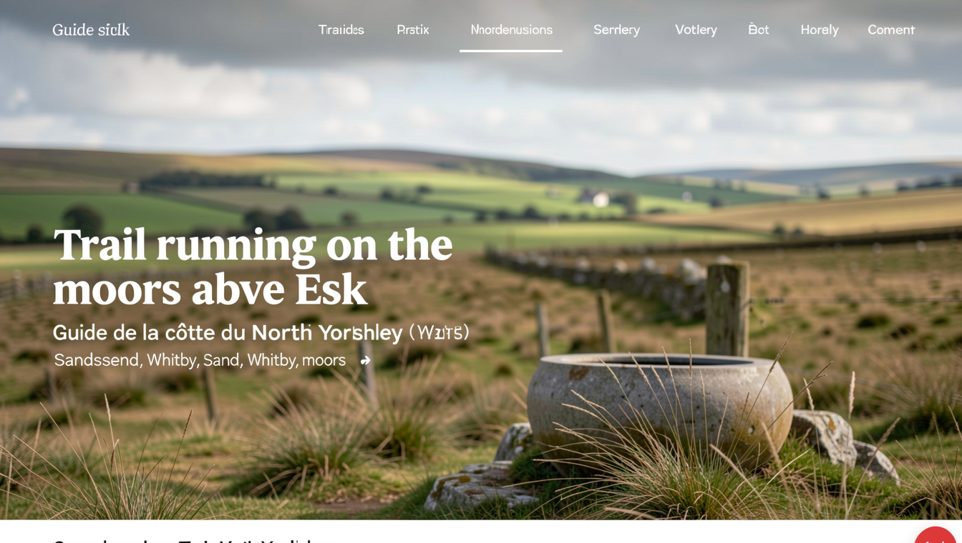
South Africa’s seasons run opposite to ours, so a January visit there lands in high summer, the same month Sandsend sits under short daylight and wet paths. The comparison is useful: both places reward a runner who reads the ground rather than the calendar. On the moors above the Esk, that reading means knowing how a track holds water after rain. Trail running on the moors covers what the sport asks of a runner.