Shore note
Wind against tide: the sea’s oldest sum
Why a moderate wind against a strong stream makes rough water of a calm day, and who still needs to know.
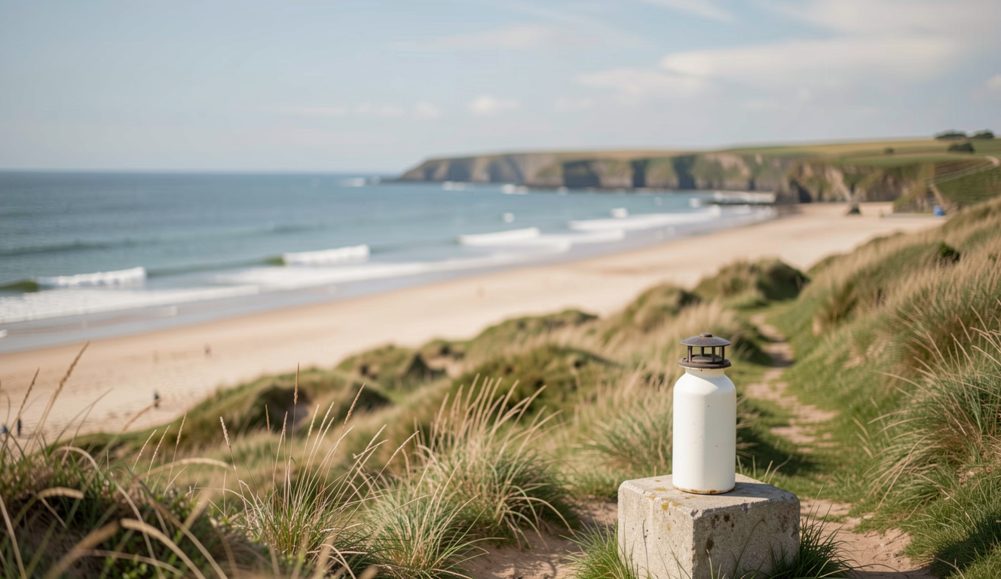
From the cliff top the sea off this coast can look calm while being nothing of the kind. The tell is not the size of the waves but their shape: when the wind blows against the running tide the water shortens, steepens and breaks white out of all proportion to the breeze. Reading that confusion is one of the oldest skills this shore ever taught, and one of the last it still teaches.
What wind against tide means
A wind wave is raised by three things: the speed of the wind, the time it has blown and the fetch, the length of open water it crosses. The North Sea is shallow and narrow, so waves here build fast and die fast, and the water between Staithes and Robin Hood’s Bay sits close enough to the land to feel every change of direction.
The tide adds a stream of its own, running south on the ebb and north on the flood along this stretch. When that stream runs against the wind, the wave front is squeezed: the crests rise, the distance between them shrinks, and a sea that should be a two-foot chop becomes a steep, breaking mess. The numbers are small. The effect is not.
Where a walker sees it
The effect is easiest to read from height. From the cliff above Sandsend, a flood tide meeting a northerly shows as a band of broken white along the tide line, half a mile offshore, while the water inside it lies relatively smooth. The broken band moves with the tide, which is how a watcher can tell stream from wind.
Down at sea level the same water looks different. A small boat inside the band sits in easy chop; a boat crossing it takes the sea over the bow. The men who fished here read that band the way a driver reads a wet road, and the ones who still work the shore in small craft read it now.
Who still needs the reading
The people who use the knowledge today are not the coble fishermen of a century ago but kayakers, wild swimmers and the crews of the inshore boats that still pot for crab off this coast. For a paddler, reading water from a sea kayak is the same discipline at a lower seat height: wind direction, tide state and the fetch between headlands decide whether a mile is an hour or a struggle.
The kayaker’s margin is smaller than the coble’s was. A boat that draws inches can go where a fishing boat could not, which means the places that look sheltered, the run under Cowbar Nab at Staithes or the lee of the bay at Robin Hood’s, are exactly the places where a turning tide can meet a sea breeze head on.
What the cliffs used to teach
This shore’s professions were built on the reading. The alum boats, the collier brigs, the herring fleets and the lifeboats all worked the same arithmetic: which way is the stream running, which way is the wind, and where do they meet. A skipper who could not do that sum did not keep a boat long on a coast with no harbour of refuge between the Tees and Whitby.
The lifeboat records of the villages make the same point from the sad end. Most of the calls this coast remembers were not storms but moderate weather against a strong stream, the kind of day that looks manageable from the beach and is not.
Can a reader on the cliff still learn it?
Yes, and more cheaply than ever. The formula is unchanged: fix a band of white water, watch whether it drifts with the tide, and you have found the stream. The villages along the bay, read in order in the note on the settlement poured down its ravine, all face the same water and taught the same lesson.
The reading has one refinement the old pilots kept to themselves: the roughest water is not where wind and tide are strongest but where they are newest. The first hour of an opposing stream, before the sea has adjusted, is when the surface is at its most confused, and the watcher who learns to time the turn reads the sea better than any instrument on the cliff.
What is wind against tide, then?
It is the meeting of a tidal stream and a wind-driven sea, which shortens and steepens the waves until the water breaks far beyond what the wind alone would raise. On this coast it happens along the tide line half a mile out, on most days when stream and breeze oppose. What remains of it is everything: the sea still does the sum, whether or not anyone is watching.
A neighbouring note follows the thread: the running the moor behind it was made for.
The wind against the tide does more than lift spray over the promenade. It pulls at the shingle below East Row, so the beach changes shape between one spring tide and the next. Walkers notice it in the loose stones underfoot; dog owners notice it in the narrow strip of sand left at high water. The rules for the beach, the cliff path and the pubs differ, and the paperwork matters if you are crossing from abroad. Bringing a dog to Sandsend sets out what to plan before the tide turns.
Tide tables work the same way on any coast. In Sitges, the season does the work of the tide: the centre fills first, the paseo marítimo next, and the north zone last, with prices rising through July and August and dropping again by October. A traveller who can shift a week either side of high summer pays less for the same room. The same rule that governs a walk between Sandsend and Whitby, go early or go late, governs where to sleep in Sitges.