River note
Wading a small river
Stand in the water and the beck explains itself: pressure, footing and the grammar of a current felt through the legs.
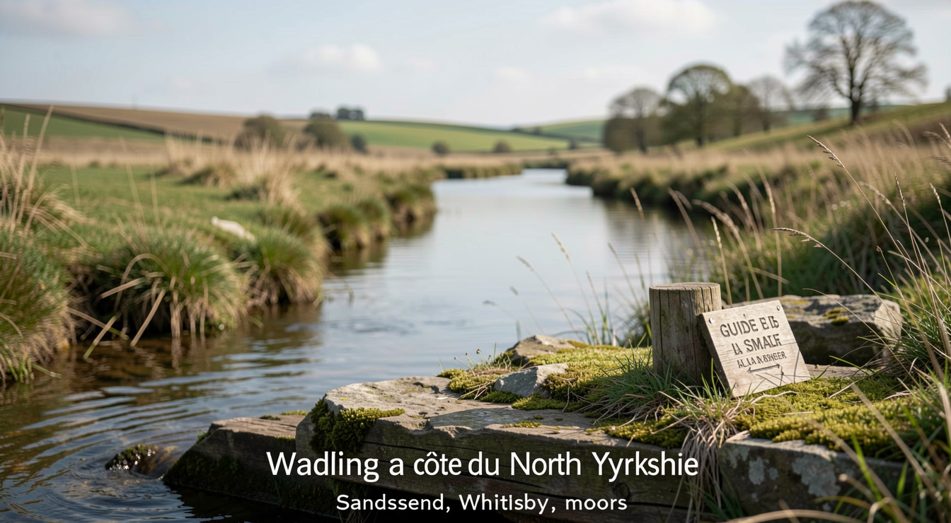
Stand in a beck above the knees and the river becomes legible in a way it never is from the bank. The current presses, the stones roll under the boot, and the water explains itself through the legs. Wading is the oldest way of joining a river, and on this coast it is still the best way to learn what a small river is made of.
What wading is for
The wader is not in the water for the walk’s sake. Anglers wade to reach the lies they read from the bank; walkers wade because the path crosses the river; both learn the same lesson, which is that a river is not a surface but a force. The water pushes, and the pushed person learns quickly where it pushes hardest.
The equipment is simple and old: felt or studded soles for the rolling stones, a staff for the third leg, and on cold water a pair of chest waders that turn an autumn river from an ordeal into a study. The fly fishing tradition that made the gear, kept in places like the notebook of anglers who fish small mountain streams, treats wading as a skill with its own rules: never face the current, never hurry, and always feel the next stone before trusting it.
Where the coast gives wading water
The Esk and its becks are the local school. The river is walkable in long stretches between the moors and Whitby, shallow enough to cross in summer and honest enough to refuse in flood. The becks that feed it, running down through the Mulgrave estate woods, offer the same lesson at ankle height, where a mistake costs a wet boot rather than a swim.
The river teaches by season. In a dry July it is a paddling stream with trout in the tails of pools; after a moor storm it is brown, loud and closed to wading altogether. The wader’s first skill is knowing the difference, which is a matter of watching the water before stepping in.
Wading is not only a river skill. The same reading of depth, current and bottom works on any coast where the water is shallow enough to stand in. Travellers planning a Mediterranean trip can find notes on where to wade and swim in the sea around Alghero, with its beaches and rocky inlets, on the Alghero travel magazine. The habits carry over: watch the water first, feel the ground through the soles, and turn back when the push of it grows. A small river at home is good practice for warmer water abroad.
What the legs learn
A wader reads with the feet what the eye only suspects. The seam between fast and slow water is felt as a change of pressure on the calf; the drop from riffle to pool announces itself through the soles; the strength of the river is measured in the work of standing still. An hour in the water teaches more than a season on the bank.
The knowledge is older than any rod. Every generation that worked these rivers, the millers, the shepherds washing sheep, the fishers and the children, learned the river through the legs first.
How the railway frames it
For the visitor who will never step in, the river still offers itself. The line along the Esk between the moors and Whitby crosses and recrosses the water, and the carriage window shows the shallows, the pools and the gravel bars a wader would work. The view is secondhand but true.
Safety has its own short grammar. A wader never turns the back to the current, never crosses alone above the knee in coloured water, and always plans the exit before the entry. The rules are few because the river forgives nothing, and they are old because every generation that waded these becks learned them the hard way first.
Is wading worth the cold?
For anyone who wants the river as it is rather than as it looks, yes. The water answers questions the bank cannot: how fast the current really runs, where the stones are loose, why a fish would choose one lie over another. The cold is the tuition fee, and the river charges it fairly.
And the river repays at every scale. A child in sandals in the summer shallows and an angler waist-deep in October are doing the same thing: letting the water explain itself through the legs. The beck teaches anyone who enters it, and the lesson costs nothing but cold feet.
It is worth adding that the reading cuts both ways. The wader learns the river, and the river reminds the wader of the terms: cold, force and stones that move. Respect paid to a small river is never wasted, because the small river rises faster than any other water on this coast.
What is wading a river, then?
It is the practice of entering moving water on foot, to cross it, to fish it or simply to know it. On this coast the becks and the Esk still teach it to anyone willing to get wet, and what remains of it is the oldest intimacy a walker can have with a river.
A neighbouring note follows the thread: the coast as the camera finds it.
Wading a small river is mostly a matter of timing. The water is shallowest an hour after low tide, and the gravel shifts underfoot with each step, so the crossing is slower than it looks from the bank. A volunteer settling into a village in the Sahel learns something similar about pace: two years is long enough that the first weeks feel like standing in cold water, and the daily round only becomes ordinary once it is repeated. The same patience applies to village life in Senegal, where the practical details of a long stay matter as much as the intention behind it.
The beck below Sandsend runs shallow over flat shale, and you can cross it in boots without much thought. A river further inland behaves differently: it cuts down through softer beds and leaves its older courses dry on the hillside. Reading those abandoned channels is not unlike reading a wall, where the stone tells you what was quarried and what was carted in. The same habit of looking applies to ruined walls in the Jura, where quarries and lime kilns sit close to the masonry they fed.